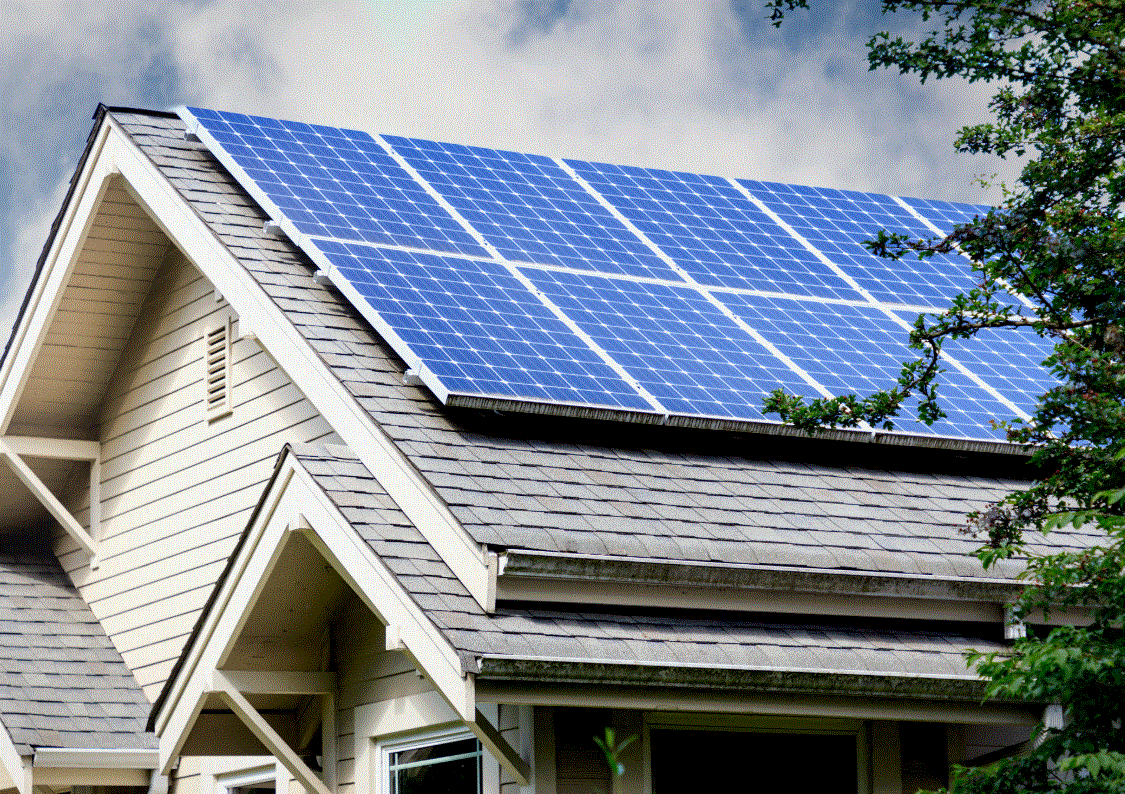
Solar panels can provide years of dependable electricity generation, but the roof beneath them may require repairs or replacement long before the solar equipment reaches the end of its useful life. When homeowners need a new roof, removing the existing solar array is often an essential part of the project. Solar panel removal for roof replacement allows roofing professionals to access the shingles, underlayment, flashing, and roof decking without working around installed solar equipment. Proper removal also helps protect the panels, mounting hardware, and electrical connections so the system can be reinstalled after the roofing work is complete. Understanding the process before construction begins helps homeowners plan their budget, coordinate contractors, and reduce unnecessary disruption.
Replacing a roof while solar panels are installed requires cooperation between roofing professionals and a qualified solar service provider. Each team has a different responsibility, and the order of work can affect project timing, roof quality, and the condition of the solar equipment. Homeowners should understand how the panels will be disconnected, where they will be stored, whether existing mounting components can be reused, and how system performance will be checked after reinstallation. Careful planning is especially important when a roof has developed leaks, suffered storm damage, or requires structural repairs. By addressing these considerations early, property owners can make informed decisions and protect both their roofing investment and their existing solar energy system.
Why Solar Panels Must Be Removed Before Roof Replacement
A complete roof replacement generally requires access to the roofing materials beneath the solar array. Panels and their mounting systems can obstruct the removal of old shingles, inspection of the roof deck, installation of underlayment, and proper placement of new flashing. Attempting to replace a roof around an installed array may limit access to important areas and make it harder to complete the roofing work correctly. Removing the equipment gives the roofing crew room to inspect concealed damage, replace deteriorated materials, and prepare the surface for a durable new roof. However, not every repair requires the entire array to be removed. For localized work away from the panels, a qualified contractor may determine that partial removal is sufficient. The appropriate scope depends on the roof layout, the location of the damage, the mounting configuration, and the access required. A joint assessment by the roofing contractor and solar service provider helps establish which equipment must be removed and how the project should proceed.
How the Solar Panel Removal Process Works
The removal process begins with an inspection of the existing solar system and the roof areas scheduled for replacement. A qualified solar professional reviews the panel arrangement, mounting hardware, wiring, inverter equipment, and visible signs of damage. Photographs and equipment records help document the original configuration before anything is disconnected. The technician then follows the appropriate shutdown and electrical isolation procedures before removing the panels and any mounting components that obstruct the roofing work. Equipment should be labeled and handled carefully to reduce the risk of damage during transportation or storage. The contractor should also identify components that may need replacement rather than assuming every part can be reused. Once removal is complete, the roof is made available to the roofing crew according to the agreed schedule. The homeowner should receive a clear explanation of the work performed, the condition of the removed equipment, and any concerns that may affect reinstallation. This organized approach makes it easier to manage the project and address unexpected issues before they become more expensive.
Coordinating Solar Contractors and Roofing Professionals
Effective coordination is one of the most important parts of a successful roof replacement involving solar panels. The roofing contractor needs to know when the array will be removed, while the solar provider needs to know when the roof will be ready for reinstallation. If these schedules are not aligned, homeowners may face additional visits, construction delays, and a longer period without solar electricity production. Before signing agreements, property owners should establish a clear timeline, identify the person responsible for communicating schedule changes, and confirm how unexpected roof damage will be handled. It is also important to define each contractor’s responsibilities in writing. The solar provider should manage the work involving the solar equipment and its electrical connections, while the roofing contractor should be responsible for the agreed roofing scope. Any work that overlaps, such as mounting attachments and roof flashing, should be coordinated carefully. Maintaining open communication between both teams helps ensure that the new roof is completed properly before the solar array is returned to service.
Protecting Solar Panels During Storage and Handling
Solar panels are designed for outdoor use, but they can still be damaged by improper handling, impact, construction debris, and unsuitable storage conditions. Once removed, the panels should be placed in a secure area where they are protected from accidental contact, severe weather exposure, and unauthorized access. The contractor should explain whether the equipment will remain on the property or be transported to another location and who will be responsible for its security. Proper labeling and an inventory of panels, mounting components, cables, and related equipment can make reinstallation more efficient. Photographs taken before removal also provide a useful record of the system’s original condition. Any cracked glass, damaged frames, loose connections, or existing electrical concerns should be documented rather than overlooked. Homeowners should ask how the contractor will manage damaged components and whether replacement parts could affect the project’s cost or schedule. These precautions help reduce confusion during reinstallation and provide greater confidence that the equipment has been handled responsibly throughout the roofing project.
Understanding the Cost of Solar Panel Removal and Reinstallation
The cost of removing and reinstalling a solar array varies according to the size of the system, roof height, mounting design, site accessibility, equipment condition, and complexity of the electrical work. Larger arrays may require more labor, while steep or difficult-to-access roofs can increase the time and equipment needed to complete the job safely. Additional expenses may arise if technicians discover damaged wiring, worn mounting hardware, unsuitable fasteners, or components that cannot be reused. The length of time between removal and reinstallation can also influence scheduling and storage arrangements. Homeowners should request a written estimate that explains what is included, whether transportation and storage are covered, and how additional work will be approved. It is equally important to determine whether inspections, reconnection, system testing, and monitoring verification are included in the quoted price. Comparing estimates based on the same scope of work gives homeowners a more accurate understanding of value. Rather than choosing a contractor solely because the initial price is lower, property owners should consider qualifications, insurance, communication, documentation, and the completeness of the proposed service.
Protecting Roof Integrity and Existing Warranties
A new roof must provide reliable weather protection, and the return of a solar array should not compromise that objective. Mounting attachments create specific points where the solar system connects to the roof, making proper flashing, compatible materials, and appropriate installation techniques essential. During replacement, the roofing contractor should inspect the exposed decking and address any deterioration before the solar equipment is reinstalled. The solar provider should coordinate attachment requirements with the roofing team so the mounting system is compatible with the new roof assembly. Homeowners should also review their existing solar equipment warranties, roofing warranties, and installation agreements before authorizing work. Warranty conditions differ between manufacturers and contractors, so it is important to clarify which procedures are required and whether particular service providers must be used. Written documentation of the removal, roof replacement, component changes, and reinstallation can help preserve a useful record of the work. If insurance is involved because of storm damage or another covered event, homeowners should also confirm with their insurer whether solar removal and reinstallation expenses are included in the approved claim. Coverage should never be assumed without reviewing the policy and claim decision.
Testing the Solar System After Reinstallation
Reinstallation is not complete simply because the panels have been placed back on the roof. A qualified professional should inspect the mounting system, confirm that relevant electrical connections have been restored correctly, and complete the appropriate safety and operational checks. The technician should verify inverter status and confirm that the system is generating electricity as expected under the available conditions. Where applicable, monitoring should be reconnected so the homeowner can review production data and identify potential performance issues. Any permits, inspections, or utility-related requirements should be addressed according to the project’s scope and local rules. Homeowners should request confirmation of the completed work and retain records of replaced components, testing, and any remaining recommendations. After the system returns to service, monitoring production over the following days can help identify unexpected alerts or significant changes in output. Solar generation naturally varies with weather, daylight, temperature, and seasonal conditions, so a single reading should not be treated as definitive evidence of a fault. Persistent unexplained changes should be investigated by a qualified service professional.
Conclusion
Solar panel removal for roof replacement is a specialized project that requires careful preparation, qualified technicians, secure equipment handling, and effective coordination between solar and roofing professionals. Homeowners should confirm the removal scope, establish a shared schedule, review warranties, request a detailed estimate, and ensure that the new roof is ready before the solar array is reinstalled. Protecting panels during storage and documenting the condition of mounting hardware and electrical components can help prevent avoidable problems. Equally important, the completed installation should include appropriate safety checks, operational testing, and verification of monitoring where available. By treating roof replacement and solar reinstallation as connected parts of one project, homeowners can make better decisions, manage costs more effectively, and protect the long-term value of their property. The best approach is to plan ahead, work with qualified professionals, and insist on clear communication and documented completion at every stage.