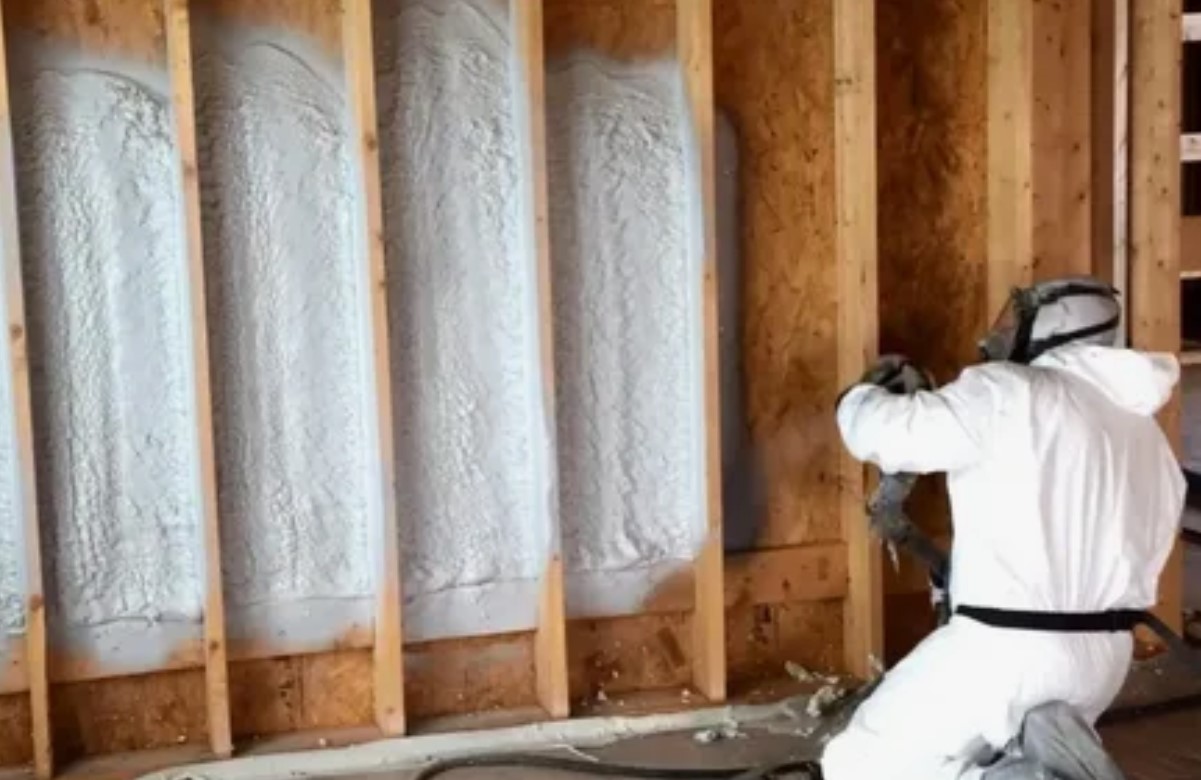
A comfortable home is not just about having a reliable heating and cooling system. The way a house is insulated also affects indoor temperatures, energy use, and everyday living conditions. Insulation Nation helps homeowners in Denver, Colorado, and surrounding communities explore practical ways to improve their homes through insulation upgrades suited to their property’s needs. Whether a house has cold bedrooms, uneven temperatures, or rooms that become too warm during summer, identifying the underlying problem is an important first step toward a more comfortable living environment.
Choosing the right Home Insulation Services can help homeowners address heat transfer, reduce drafts, and improve the performance of their building’s thermal barrier. Every property has different requirements depending on its age, construction, existing insulation, and exposure to outdoor conditions. A thoughtful approach begins with understanding how the home currently performs and identifying the areas where improvements are most likely to make a difference.
Creating a More Comfortable Indoor Environment
Temperature differences between rooms can make a home difficult to enjoy, particularly during Colorado’s cold winters and warm summers. A bedroom above an uninsulated garage may feel colder than other rooms, while an upstairs living area may become uncomfortable when outdoor temperatures rise. These problems can sometimes be connected to insufficient insulation, air leakage, or a combination of building performance issues.
Improving the home’s insulation can help slow the movement of heat between indoor and outdoor spaces. This makes it easier to maintain more consistent temperatures, although the results depend on the property’s existing condition and other factors. Professional Home Insulation Services can help homeowners understand why certain rooms feel uncomfortable and which improvements may provide the most practical solution.
Identifying Hidden Insulation Problems
Not every insulation problem is immediately visible. Some homes have gaps behind finished walls, while others contain compressed insulation, uncovered attic sections, or materials that have shifted over time. Homeowners may first notice these issues through persistent drafts, chilly floors, or heating and cooling systems that seem to run frequently without maintaining an even temperature.
A property assessment can help uncover potential causes before an upgrade begins. Contractors may inspect accessible attic spaces, existing insulation coverage, air leakage points, and areas where moisture could affect building materials. With suitable Home Insulation Services, homeowners can prioritize the areas that need attention instead of assuming that adding insulation everywhere is necessary.
Attic Improvements That Support Energy Efficiency
The attic is an important part of a home’s thermal envelope because it separates living areas from outdoor temperature conditions. When insulation coverage is inadequate, heat can escape through the ceiling during winter. During summer, high attic temperatures may contribute to unwanted heat entering the rooms below, especially when other parts of the building also have air leakage problems.
The right attic upgrade depends on existing insulation levels, available space, ventilation, and the condition of the roof structure. Blow-in insulation can cover irregular areas, while other suitable materials may work better in specific applications. Insulation Nation helps homeowners explore attic insulation options that match their property’s requirements and support more effective temperature management throughout the year.
Air Leakage and the Importance of Sealing Gaps
Insulation and air sealing serve related but different purposes. Insulation slows heat transfer through building materials, while air sealing reduces the movement of air through unintended openings. Small gaps around plumbing pipes, wiring, attic hatches, and other penetrations can allow drafts to enter and conditioned air to escape, making the home less comfortable.
Addressing these openings can improve the effectiveness of an insulation project when the work is planned correctly. Contractors should identify suitable areas for sealing while maintaining required ventilation and safe building conditions. Combining air sealing with Home Insulation Services can provide a more complete approach to improving household comfort and reducing unnecessary energy loss.
Selecting Insulation for Different Areas of the House
Insulation materials are designed for different applications, so selecting an appropriate product requires more than comparing prices. Batt insulation is commonly installed between framing members, while loose-fill or blown-in materials can be useful in attics and certain accessible cavities. Other products may be appropriate depending on the building’s design, moisture conditions, and desired thermal performance.
Homeowners should consider the material’s R-value, installation quality, thickness, and compatibility with the surrounding structure. Poor installation can leave gaps or reduce the effectiveness of an otherwise suitable product. Reliable Home Insulation Services involve explaining the available options and helping homeowners understand why a particular material is recommended for a specific part of their property.
Managing Crawl Space Conditions
Crawl spaces can influence the comfort of the rooms directly above them. Inadequate insulation in these areas may contribute to cold floors, drafts, and temperature variations. Moisture is another important consideration because damp conditions can damage building materials and create problems that insulation alone cannot resolve.
Before upgrading a crawl space, it is important to assess moisture sources, drainage, ventilation requirements, and the home’s construction. Depending on the property, improvements may involve insulation, air sealing, or addressing moisture entry before new materials are installed. A well-planned approach helps homeowners avoid treating the visible symptoms without considering the underlying cause.
Preparing for an Insulation Project
Good planning helps homeowners understand the work involved and establish realistic expectations. Before requesting an estimate, consider which rooms feel uncomfortable, whether drafts occur during certain seasons, and whether energy bills have changed noticeably. These observations can help a contractor focus the assessment on areas that deserve closer attention.
A detailed proposal should explain the recommended materials, areas to be insulated, preparation requirements, and expected scope of work. Homeowners can also ask about installation methods, cleanup, project timing, and any potentially applicable energy-efficiency rebates. Comparing proposals based on their details rather than price alone makes it easier to determine which Home Insulation Services offer the best fit for the property.
Improving Long-Term Home Performance
Insulation is one part of a broader home maintenance strategy. Roof condition, ventilation, window performance, moisture control, and heating and cooling equipment can all influence indoor comfort. If these factors are overlooked, an insulation upgrade may not deliver the results a homeowner expects, even when the installation itself is completed properly.
A balanced improvement plan considers how the different parts of the building work together. Homeowners may benefit from addressing air leaks, correcting moisture issues, and maintaining mechanical equipment alongside insulation improvements. This practical approach can support better energy management while helping protect the home’s condition over time.
Conclusion
A well-insulated home can provide more consistent indoor temperatures, reduce unwanted heat transfer, and support more efficient heating and cooling. The best improvements depend on the property’s specific needs, whether those involve attic coverage, air leakage, crawl space conditions, or the selection of suitable insulation materials. Careful assessment and proper installation help homeowners make informed decisions instead of relying on one-size-fits-all solutions.
Insulation Nation offers residential insulation solutions for homeowners in Denver and nearby Colorado communities. By focusing on the home’s existing condition and recommending appropriate improvements, homeowners can work toward better comfort and long-term building performance. Choosing professional Home Insulation Services is a practical step toward creating a home that feels more comfortable across changing seasons while making thoughtful use of energy.