Introduction
Picking out Baby Accessories for a new arrival can feel overwhelming, especially with so many products claiming to be “essential.” Between bath time, sleep, feeding, and everyday comfort, parents are bombarded with options long before the baby even arrives.
This guide strips away the noise and focuses on what genuinely makes daily life easier, based on real product categories parents actually shop for. Whether you’re a first-time parent or adding to your collection for baby number two, knowing which items earn a spot on your registry saves money, storage space, and a fair bit of stress down the road.
Bath Time Essentials That Actually Work
Bath time can go one of two ways: a giggly, splashy bonding moment, or a slippery mess where nobody’s having fun. The right tools make the difference. Good bath accessories aren’t about flashy packaging — they’re about grip, safety, and keeping a squirmy baby entertained long enough to actually get clean.
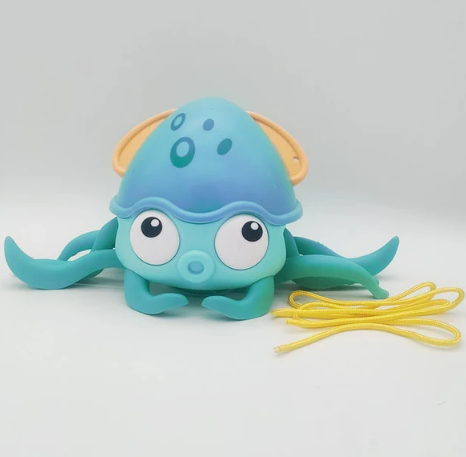
Parents often underestimate how much a well-designed bath toy can turn resistance into cooperation, especially once babies start associating the tub with play rather than a chore. A crawling bath toy shaped like an octopus is a good example — it moves through water and keeps little ones distracted while you wash behind the ears.
Floating toy sets and suction spinner toys serve a similar purpose, sticking to tub walls so nothing floats out of reach. These small additions make a genuinely stressful daily routine feel manageable, and they don’t need to be complicated to be effective.
Sleep and Comfort Products Worth the Investment
Sleep is the currency of new parenthood, so anything that helps a baby settle faster is worth serious consideration. This isn’t about luxury — it’s about supporting healthy head and neck positioning while giving parents a bit of predictability in an otherwise unpredictable schedule.
A lot of what’s marketed as “comfort” is really about safety, and the two go hand in hand more than people realize. A U-shaped head support pillow helps cushion a baby’s head during naps and tummy time, which many parents find reassuring during those early months.
For travel or overnight stays, a foldable baby bed with a mosquito net creates a familiar, enclosed sleeping space wherever you go, which can be a lifesaver when you’re visiting family or staying somewhere unfamiliar. Consistency in where a baby sleeps often translates directly into how well they actually sleep.
Feeding Accessories That Cut Down on Mess
Anyone who’s cleaned spilled puree off a kitchen floor knows why feeding accessories exist. Babies are still developing coordination, and that means food ends up everywhere — on the tray, on the floor, occasionally on the ceiling. The right tools don’t eliminate mess entirely, but they cut it down enough that mealtimes stop feeling like a cleanup operation. It’s less about gimmicks and more about physics: suction, weight distribution, and shape all matter here.
A spill-proof gyro bowl rotates 360 degrees so contents stay inside even when a bowl gets flipped or dropped — a small design trick that saves a surprising number of floor-cleaning sessions. Pairing that with sturdy chew-safe toys for teething breaks between bites keeps babies occupied without reaching for whatever’s within grabbing distance on the table.
Everyday Care and Keepsake Items
Beyond the big categories, there are smaller items that quietly make daily routines smoother — and a few that exist purely for sentimental value. These don’t always make it onto the “must-have” lists that focus on function alone, but ask any parent a year down the line, and they’ll tell you these are the things they’re glad they didn’t skip.
A foldable potty training seat makes the transition out of diapers less intimidating, especially when it travels easily for outings. On the sentimental side, a hand and footprint keepsake pad captures a moment in time that photos alone don’t quite replicate. These items sit at the intersection of practicality and memory-making, which is exactly why so many parents end up recommending them to friends.
How to Choose Without Overspending
It’s easy to get swept up in registry culture and buy everything that looks cute in a photo. But babies grow fast, and interests shift by the month — what feels essential in week one might sit untouched by month three. A more useful approach is buying in small batches, watching what your baby actually responds to, and expanding from there rather than front-loading every purchase before the baby even arrives.
Price matters too, but it shouldn’t be the only filter. According to the American Academy of Pediatrics, safety certifications and age-appropriate design matter more than brand name when it comes to items your baby will touch, chew, or sleep near. Checking for ASTM safety standards on toys and sleep products is a simple habit that pays off. Retailers like Zeniqas offer a range of these essentials in one place, which can simplify comparison shopping without needing to hop between a dozen sites.
Frequently Asked Questions
What baby accessories are considered truly essential in the first year?
Sleep support items, bath toys that encourage cooperation, and spill-resistant feeding tools tend to get the most daily use. Beyond that, most “essentials” depend on your specific routine and living situation.
Are bath toys actually necessary, or just for fun?
They’re not strictly necessary, but they make bath time significantly easier by keeping babies engaged, which reduces squirming and resistance during washing.
How do I know if a product is safe for my baby’s age?
Check the packaging for age recommendations and look for recognized safety certifications rather than relying on marketing claims alone.
Should I buy everything before the baby arrives?
Not really. Babies’ needs shift quickly in the first few months, so it’s smarter to buy essentials first and add extras based on what your baby actually responds to.
Do keepsake items like footprint pads matter long-term?
Many parents say these small sentimental purchases become some of their most treasured items later on, even though they serve no practical function.
Conclusion
Choosing the right accessories doesn’t require buying every product on the market — it comes down to understanding what actually supports your baby’s comfort, safety, and development at each stage.
Start with sleep and bath basics, add feeding tools once solids begin, and let sentimental pieces round out the collection as memorable moments happen. A little research now saves a lot of second-guessing later, and honestly, that’s half the battle in those early months.