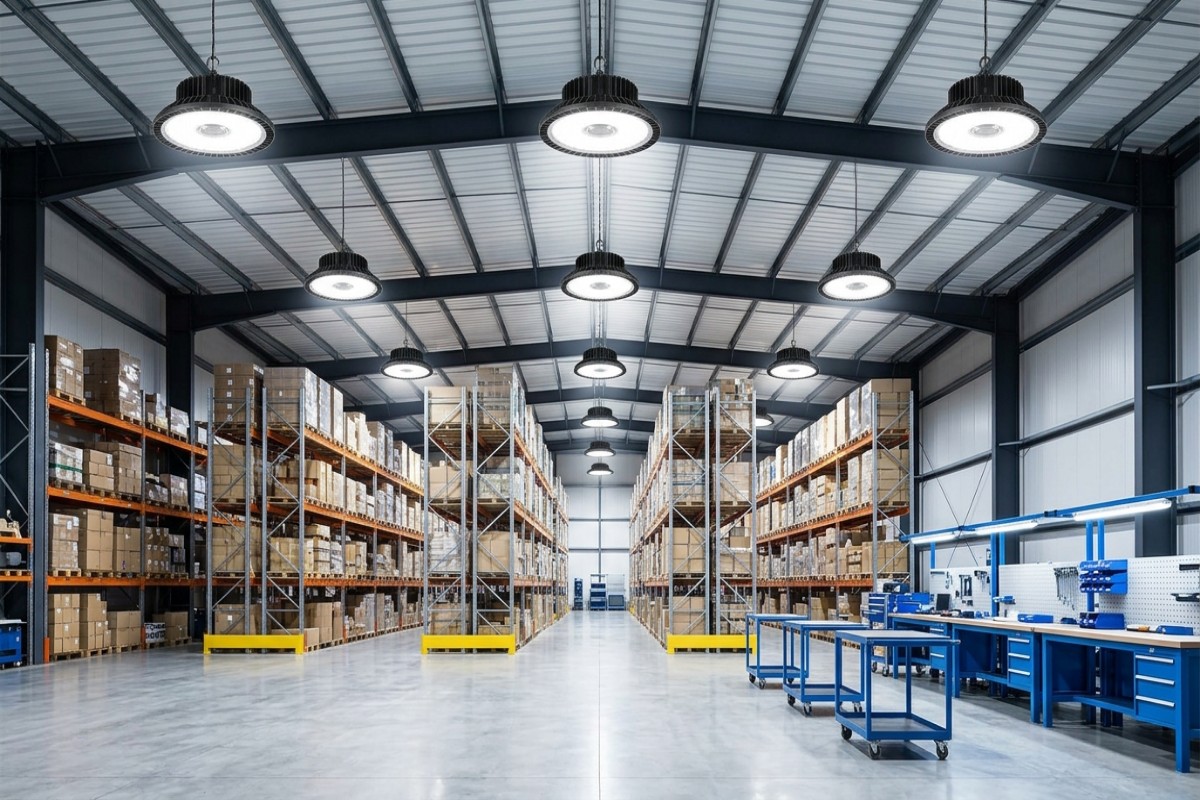
Canopy lights are an important lighting solution for commercial properties, gas stations, parking garages, and covered outdoor spaces. They provide consistent illumination beneath roofs, overhangs, and covered structures where proper visibility is essential.
Modern LED Canopy Lights combine energy-efficient technology with reliable performance. They help businesses reduce electricity consumption while maintaining bright and comfortable lighting for customers, employees, and visitors.
Whether you need lighting for a fuel station, commercial entrance, parking facility, or industrial building, choosing the right canopy lights can improve visibility and support daily operations.
What Are Canopy Lights?
Canopy lights are specialized fixtures designed to illuminate covered areas. They are typically installed beneath ceilings, roofs, and overhead structures to provide sufficient light for vehicles and pedestrians.
LED canopy lights use light-emitting diode technology to produce bright illumination while consuming less electricity than many traditional lighting systems.
They are available in different wattages, shapes, mounting styles, and color temperatures. Many models also feature protective housings designed for commercial outdoor environments.
Benefits of LED Canopy Lights
LED canopy lighting offers several advantages for businesses and property owners.
1. Energy Efficiency
LED canopy lights consume less electricity than traditional fluorescent and metal halide fixtures. Their efficient performance can help businesses manage energy expenses, especially when lighting operates for extended hours.
For properties with multiple covered areas, upgrading to LED fixtures can contribute to long-term savings.
2. Improved Visibility
Proper canopy lighting helps illuminate entrances, parking spaces, fueling areas, and covered walkways. Consistent brightness allows customers and employees to see their surroundings more clearly.
Well-positioned fixtures can also reduce dark spots and improve the appearance of commercial properties.
3. Long Operating Life
LED technology offers an extended operating life compared with many conventional lighting options. This helps reduce replacement frequency and maintenance requirements.
It is particularly useful for businesses that operate throughout the day and night.
4. Weather-Resistant Construction
Canopy fixtures are often installed in semi-outdoor environments where they may encounter moisture, dust, humidity, and changing temperatures.
Many LED models feature protective housings and sealed designs. Checking the IP rating helps ensure that a fixture is suitable for its installation environment.
5. Multiple Installation Options
LED canopy lights are available in recessed, surface-mounted, and other mounting configurations. This flexibility makes it easier to select fixtures that match different ceiling structures and installation requirements.
Common Applications of Canopy Lights
Canopy lights are suitable for various commercial, industrial, and residential environments.
Gas Stations
Fuel stations use LED canopy lights above gasoline and diesel pumps to provide clear visibility for customers and employees during nighttime operations.
Parking Garages
Covered parking facilities require effective lighting for vehicles and pedestrians. Canopy fixtures help illuminate parking spaces, driving lanes, and access points.
Commercial Building Entrances
Shopping centers, hotels, restaurants, and office buildings use canopy lighting beneath covered entrances to create a welcoming environment.
Drive-Through Facilities
Banks, restaurants, and other businesses install canopy lights above drive-through lanes and service windows to improve visibility for customers and employees.
Warehouses and Loading Docks
Industrial facilities use canopy fixtures beneath covered loading areas and service entrances to support daily operations.
Covered Walkways
Schools, hospitals, and commercial complexes can install LED canopy lights along covered pedestrian pathways and exterior corridors.
How to Choose the Right Canopy Lights
Selecting the right fixture involves evaluating several important specifications.
Consider Wattage and Lumens
Wattage measures electricity consumption, while lumens indicate the amount of light produced.
Choose fixtures based on the size of the covered area, mounting height, and required brightness. Comparing lumen output and lighting efficiency can help you select suitable products.
Choose the Right Color Temperature
Color temperature determines the appearance of the light.
- 3000K provides warm white lighting.
- 4000K offers neutral white lighting.
- 5000K produces cool white lighting.
Many commercial properties prefer 4000K or 5000K for clear and consistent visibility.
Check the IP Rating
The IP rating indicates how well a fixture protects against dust and water. IP65-rated canopy lights are commonly used in many outdoor commercial applications.
Always consider the environmental conditions before selecting a fixture.
Review Mounting Requirements
Canopy lights come in different mounting styles, including recessed and surface-mounted designs. Check the ceiling structure and available space to ensure proper installation.
Evaluate Light Distribution
A suitable beam pattern helps distribute illumination evenly across the covered area. Consider fixture spacing, mounting height, and glare control when planning your lighting layout.
LED Canopy Lights vs Traditional Lighting
Traditional canopy fixtures often use fluorescent or metal halide technology. These lighting systems may consume more electricity, require frequent maintenance, and take time to reach full brightness.
LED canopy lights provide instant illumination, generally consume less energy, and offer longer operating life. Their compact designs and different output options also make them suitable for modern commercial lighting projects.
For businesses upgrading older fixtures, LED technology can provide a practical alternative with lower ongoing maintenance requirements.
Installation and Maintenance Tips
Proper installation helps maintain lighting performance and fixture reliability.
- Inspect the installation area: Check the ceiling structure, mounting space, and electrical connections.
- Plan fixture placement: Position lights to provide balanced coverage without unnecessary glare.
- Choose compatible mounting hardware: Ensure the fixture supports the intended installation method.
- Follow electrical requirements: Use suitable wiring and follow manufacturer instructions and local electrical codes.
- Clean fixtures regularly: Remove dust and dirt to maintain effective light output.
- Inspect electrical components: Check connections, mounting hardware, and protective seals periodically.
For specialized locations such as fuel stations, verify hazardous-area classifications and use appropriately listed fixtures wherever required.
Why Upgrade to LED Canopy Lights?
Upgrading to LED canopy lights can help businesses improve lighting quality while managing electricity and maintenance expenses.
Modern fixtures offer different wattages, color temperatures, mounting styles, and protective features. These options make it easier to find suitable lighting for gas stations, parking facilities, commercial entrances, and industrial environments.
Before purchasing, compare lumen output, energy consumption, IP rating, mounting requirements, and warranty information. Choosing the right specifications helps achieve effective illumination for your property.
Final Thoughts
Canopy lights provide an effective way to illuminate covered commercial and outdoor spaces. From gas stations and parking garages to warehouses and building entrances, these fixtures help maintain visibility and create more welcoming environments.
LED canopy lights combine efficient operation, consistent brightness, and flexible installation options. Selecting the right fixtures can help businesses improve their lighting systems and maintain reliable performance over time.