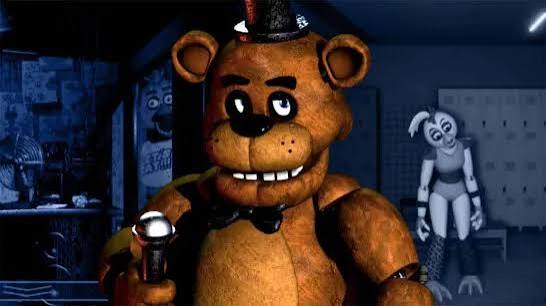
Introduction about Fnaf
There’s a particular kind of fear that only shows up when you’re sitting alone at 2 a.m., headphones on, watching a dark hallway on a grainy security feed, waiting for something that may or may not move. That’s the strange magic of Fnaf — a game that barely lets you move, yet somehow never lets you relax. If you’ve heard the name for years but never actually sat down to play it, or if you tried once, panicked, and closed the tab, this little walkthrough is for you. Let’s talk about what makes this series tick, how to approach it without losing your mind (or your sleep schedule), and why it’s worth experiencing at least once.
What You’re Actually Signing Up For
The premise is almost absurdly simple. You’re Mike Schmidt, a night security guard at Freddy Fazbear’s Pizza, a family restaurant with singing animatronic animals. Your job: sit in a tiny office, watch cameras, and survive from midnight to 6 a.m. That’s it. No weapons, no running, no escape routes. Just a desk, two doors, a limited power supply, and a set of cameras showing empty rooms that are never quite as empty as they look.
What makes it work is the tension between boredom and terror. For long stretches, nothing happens. You flip through cameras, listen to the hum of the building, maybe check the hallway for the hundredth time. Then a door light flickers, a silhouette appears, and your heart is suddenly pounding. The game understands that fear lives in the space between events, not in the events themselves. It’s a masterclass in restraint — and that’s exactly why it’s so effective.
How a Night Actually Plays Out
Your survival depends on three things: power, doors, and attention.
Power is everything. You start with 100%, and it drains constantly. Every door you close, every light you flick on, every camera sweep costs you a little more. Run out before 6 a.m., and the building goes dark — the music box plays its creepy little tune, and then you’re treated to one of gaming’s most memorable jumpscares. The genius here is that the game forces you to be stingy with your own safety. Being cautious too often is just as deadly as being careless.
Doors and lights are your only defense. When an animatronic is at your left or right door, you have a split second to check the light and slam the door shut. Miss the timing, and you’re gone. But keep the doors closed too long, and your power evaporates. It’s a constant negotiation between what you want to do and what you can afford to do.
Attention is the skill the game truly tests. You can’t see everything at once. While you’re watching the kitchen camera or tracking Bonnie’s movements, something else is creeping closer. The camera system isn’t a safety net — it’s a trap that gives you just enough information to feel in control, then punishes you for looking the wrong way.
Later nights introduce faster, more aggressive characters, and the tension ratchets up accordingly. Night 4 and 5 in particular feel less like a game and more like a stress test.
Tips That Actually Help
A few things I wish someone had told me before my first shift:
Listen more than you look. Sound design in Fnaf is incredibly deliberate. Footsteps, breathing, and the specific clunk of a door opening all telegraph where danger is. If you play with headphones, you’ll notice patterns the screen alone won’t show you.
Conserve power like it’s the last battery on earth. Don’t flip through cameras out of anxiety. Learn which rooms matter, check them quickly, and close the monitor. Idle screen time is wasted power.
Learn each character’s rhythm. Every animatronic has a pattern — some linger, some sprint, some retreat when you close a door. Once you recognize who’s where, the game shifts from blind panic to something closer to a tense puzzle.
Don’t panic-close doors. Slamming both doors every time you get nervous is the fastest way to a blackout. Check the light first. If nobody’s there, leave it open and breathe.
Take breaks. Sounds soft, but it matters. This game is designed to wear you down. Playing for three hours straight doesn’t make you better — it makes you jumpy and sloppy. A short pause between nights keeps your reflexes honest.
Play in the dark, but not alone if you can help it. Half the fun is the atmosphere, and a lit room with friends laughing kind of ruins it. But if you’re genuinely prone to nightmares, maybe keep a buddy on call. No shame in that.
Why It’s Worth the Dread
Here’s the thing about Fnaf that surprised me: it’s not really about gore or shock value. It’s about helplessness. You’re trapped, under-equipped, and slowly losing the resources you need to stay safe. The horror comes from realizing that your best efforts might not be enough — and that the night keeps going whether you’re ready or not.
That’s also why it’s such a great game to discuss. The lore is famously cryptic, full of hidden messages, newspaper clippings, and fan theories that have been debated for years. You can play it as a pure survival challenge or as a puzzle box to be cracked open. Either way, it stays with you.
So if you’ve never given it a real shot, pick a night, dim the lights, and see how long you last. You’ll probably lose. You’ll definitely jump. And you might just understand why this weird little game about pizza robots became a horror phenomenon — and a rite of passage for anyone who loves a good scare.