Introduction
If you’ve ever wanted to buy Ceylon tea online and actually get what you paid for, you know the frustration. Half the “Ceylon tea” on store shelves is mixed with dust-grade leaves, bulked up with fillers, or sitting in a warehouse for who-knows-how-long before it reaches your cup. Real Ceylon tea, the kind grown on Sri Lanka’s misty highland estates and hand-plucked leaf by leaf, tastes like nothing else.
It’s brighter, more aromatic, and it doesn’t need three sugars to be drinkable. This guide walks through what actually makes Sri Lankan tea special, how to tell the good stuff from the average stuff, and where you can source it fresh instead of settling for whatever’s on the supermarket aisle.
What Makes Sri Lankan Tea Different From Everything Else
Most people assume tea is tea — some leaves, some hot water, done. But Sri Lanka, the island once known as Ceylon, has spent over 150 years building a reputation most other producing countries simply can’t match. It’s not marketing spin either.
The terrain does a lot of the work: cool mountain air in regions like Nuwara Eliya, humid lowland valleys in Ruhuna, and everything in between gives each estate’s leaves a distinct character. The bigger difference, though, is method. A lot of tea-producing nations lean heavily on CTC processing (crush, tear, curl), which is fast, cheap, and fine for teabags but strips away nuance.
Sri Lanka has stuck with orthodox whole-leaf tea production, where leaves stay largely intact instead of being chopped into fannings or dust. That intact structure is exactly why a good cup of Ceylon black tea has layers — malty, brisk, sometimes a little floral — instead of just tasting “brown.”
Why Hand-Plucked, Whole-Leaf Tea Actually Matters
Here’s something most tea drinkers never think about: how the leaf was picked changes what ends up in your cup. In Sri Lanka, tea is still predominantly harvested by hand, using what’s called the fine pluck — just the bud and the top two leaves.
It’s slower and more labor-intensive than machine harvesting, which is why so few countries still do it this way. But it protects the leaf structure, which protects the aroma and flavor. Compare that to broken-leaf or dust-grade tea, which oxidizes faster, loses aromatic compounds quicker, and generally brews flatter and more one-note.
Whole-leaf tea holds its complexity because there’s simply more of the original leaf left to release flavor as it steeps. It’s a small distinction on paper but a big one in the cup — and it’s one of the reasons connoisseurs specifically seek out single-estate or orthodox-processed Ceylon teas rather than generic blends.
Black, Green, White, and Herbal — Sri Lanka Does All of It Well
People tend to associate Ceylon with black tea specifically, and fair enough, that’s the classic. But Sri Lanka’s tea gardens produce a genuinely wide range worth exploring.
Black tea from Sri Lanka runs from bold breakfast blends to delicate high-grown teas with almost wine-like notes, depending on elevation and estate. White tea, sometimes called silver tips or golden tips, is the most delicate and least processed of the bunch — minimally oxidized, subtle, and prized by tea sommeliers for its clean, faintly sweet character.
Green tea blends, often paired with things like ginger or turmeric, bring a grassier, more vegetal profile. Then there are the herbal and botanical blends — caffeine-free infusions built from things like hibiscus, mint, or chamomile rather than the actual tea plant, which appeal to people who love the ritual of tea but want to skip the caffeine.
The point is, “Ceylon tea” isn’t one flavor. It’s a whole category, and the fun part is figuring out which style actually suits your palate and your daily routine.
Tea as Wellness, Not Just a Beverage
Sri Lanka’s relationship with tea doesn’t stop at flavor — there’s a long history of herbal wellness woven through daily life on the island, drawing from both Ayurveda and Hela Wedakama, the country’s own traditional medicine system. Ingredients like ginger, turmeric, cinnamon, gotu kola, moringa, and butterfly pea flower have been used in Sri Lankan households for generations, long before “wellness tea” became a marketing term anywhere else.
What’s interesting is how much of this lines up with current research. Compounds like polyphenols, flavonoids, and other antioxidants — the same things researchers study for their role in inflammation and general health — occur naturally in a lot of these traditional botanicals.
That doesn’t mean a cup of tea replaces medical care, obviously, but it does explain why these ingredients have stuck around in daily routines for so long. Blending them thoughtfully, rather than just tossing in “flavoring” for taste, is really what separates a wellness tea from a candy-flavored teabag.
What “Authentic” Should Actually Mean When You’re Buying Ceylon Tea
Authenticity gets thrown around loosely in the tea world, so it helps to know what to actually check for.
First, sourcing — is the tea coming directly from Sri Lankan estates, or is it a generic import blended somewhere else and just labeled “Ceylon” because it sounds nice? Second, processing — orthodox and whole-leaf, or CTC dust dressed up in fancy packaging?
Third, ingredients — no added flavors, colors, or artificial sweeteners, just the tea and, where relevant, real spices and botanicals doing the work naturally. And fourth, who’s actually blending it — a lot of mass-market “wellness” teas are formulated by marketing teams, not anyone with actual nutrition or tea sommelier training.
Brands built around a Certified Tea Sommelier and a Registered Holistic Nutritionist tend to take a very different approach than a factory blending line — there’s more attention paid to sourcing single estates, understanding terroir, and combining botanicals with an actual understanding of what they contribute, rather than just chasing a trendy flavor.
Sustainability and the People Behind the Leaf
There’s a human side to this that’s easy to forget when you’re just scrolling through tea options online. Sri Lanka’s tea industry has, for over a century, been the livelihood for entire communities — tea pluckers, estate workers, and their families. Buying from companies that build long-term relationships with growers, rather than just sourcing on price, actually matters if you care about where your money goes.
Packaging is part of the picture too. A growing number of Sri Lankan tea companies are moving toward plastic-free, sustainable packaging, sourcing from farmers who follow responsible growing practices, and expanding organic offerings. None of that changes how the tea tastes, but it does change what you’re supporting every time you order a bag.
How to Actually Buy Ceylon Tea Online Without Getting Burned
A few practical things to look for before you check out on any tea site. Check whether the tea is single-estate or at least clearly sourced from named Sri Lankan regions — vague country-of-origin labeling is usually a red flag. Look at whether it’s loose-leaf or bagged; loose-leaf orthodox tea almost always brews better and fresher.
See if there’s any mention of who’s actually blending the wellness teas — nutrition credentials aren’t required, but they’re a good sign someone put thought into the formulation rather than just picking a trendy ingredient list. It also helps to buy from smaller, specialty sellers rather than mass-market grocery brands. Big commercial tea brands often prioritize shelf life and consistency over character, which is the opposite of what makes Ceylon tea worth seeking out in the first place.
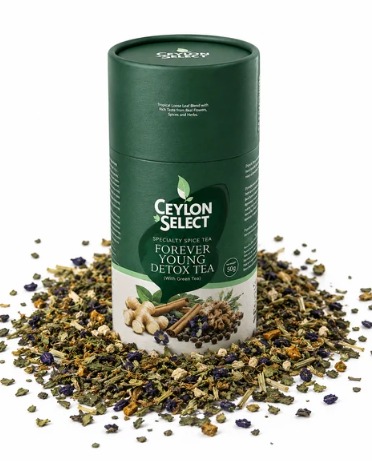
A company like Ceylon Select, founded by a tea sommelier with a holistic nutrition background, is a good example of the kind of direct-to-consumer sourcing that keeps the leaf’s origin and quality front and center rather than buried under a generic label.
FAQs
Is Ceylon tea the same as regular black tea?
Not exactly. “Ceylon tea” refers specifically to tea grown in Sri Lanka, and it comes in black, green, white, and herbal varieties — not just black. The flavor also varies a lot by growing region and elevation.
What’s the difference between orthodox and CTC tea?
Orthodox processing keeps the leaf mostly whole, which preserves more flavor and aroma. CTC (crush, tear, curl) chops the leaf into small uniform pieces, which is faster and cheaper but produces a flatter, more generic-tasting cup — the kind you typically find in standard teabags.
Does Ceylon tea contain caffeine?
True Ceylon black, green, and white teas all contain caffeine since they come from the actual tea plant. Herbal blends made from things like hibiscus, chamomile, or mint are naturally caffeine-free.
How should I store loose-leaf Ceylon tea to keep it fresh?
Keep it in an airtight container, away from light, heat, and strong odors. Whole-leaf tea holds its aroma longer than broken or bagged tea, but it still degrades faster once exposed to air.
Can wellness tea blends replace medication or supplements?
No — botanical ingredients in wellness blends may contain naturally occurring compounds that have been studied for general health benefits, but they aren’t a substitute for medical treatment. Think of them as a supportive daily ritual, not a cure.
Final Thoughts
At the end of the day, good Ceylon tea isn’t complicated — it just requires knowing what to look for and being a little skeptical of vague labeling. Whole-leaf, hand-plucked, honestly sourced tea tastes different from mass-produced dust in a bag, and once you’ve had a proper cup, it’s hard to go back.
Whether you’re after a bold breakfast black tea or a caffeine-free herbal blend for winding down at night, Sri Lanka’s tea gardens have built a 150-year reputation for a reason. Worth trusting your palate over the supermarket shelf.