Streetwear has always been more than clothing. It has been a way for people to express identity, culture, and history through fabric and design. Over the past few years, one label has managed to do this better than almost anyone else in the industry, turning simple garments into powerful statements about heritage and belonging. That brand has become a cultural touchstone, discussed everywhere from fashion magazines to college campuses, and its rise offers a fascinating look at how streetwear can carry meaning far beyond trends.
The brand at the center of this conversation is Denim Tears, founded by designer Tremaine Emory in 2019. What makes Denim Tears different from countless other streetwear labels is its unapologetic commitment to storytelling. Emory built the brand around themes of African American history, resilience, and cultural pride, using clothing as a canvas to explore topics that mainstream fashion often avoids. From the very first collection, it was clear this wasn’t going to be just another hype-driven label chasing seasonal trends. It was going to be a platform for narrative, memory, and community.
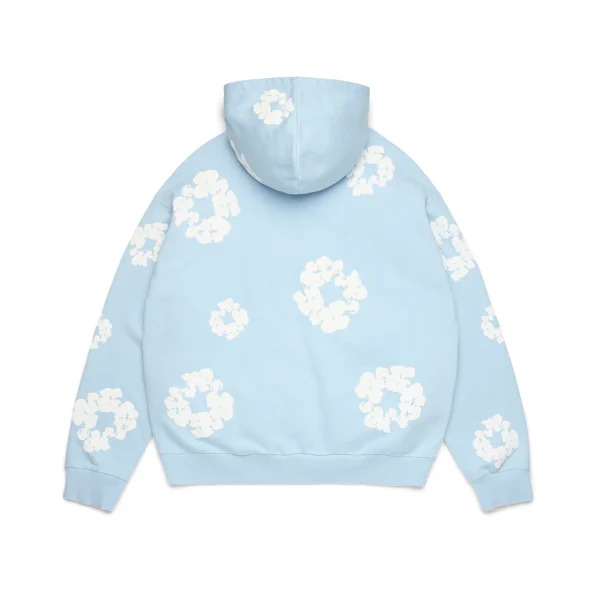
The centerpiece of the brand’s identity is its signature cotton wreath motif, which appears across hoodies, jeans, and t-shirts. This symbol is not decorative in a casual sense; it is deeply tied to the history of cotton farming and the labor of enslaved people in the American South. When people search for short denim tears https://denimtearsofficial.fr/collection/short/ pieces or try to understand the brand’s visual language, this wreath print is usually what draws them in first. It has become instantly recognizable, almost like a signature or a seal, marking every collection with the same sense of gravity and purpose that defined the brand’s debut.
What sets this label apart is the way it blends deeply personal and political themes with genuinely wearable design. A lot of brands attempt social commentary and end up feeling heavy-handed or performative. Denim Tears manages to walk a finer line. The clothes still look good, still fit into everyday wardrobes, and still carry that streetwear appeal of comfort and versatility. But underneath the surface, every piece invites the wearer to think about where the design came from and why it matters. This dual purpose, being both fashionable and meaningful, is a big part of why the brand has resonated with such a wide audience.
Collaborations have played a massive role in expanding the brand’s reach. Partnerships with major names like Levi’s, Converse, and Nike have introduced the label to audiences who might never have encountered it through independent releases alone. The Levi’s collaboration in particular became iconic, reimagining classic denim jackets and jeans with the cotton wreath print stitched directly into the fabric. These collaborations aren’t simple logo slaps either. Each one is treated as an opportunity to reinterpret the host brand’s classic silhouettes through the lens of Black American history, giving decades-old products an entirely new layer of meaning.
Celebrity endorsement has also fueled the label’s visibility. Musicians, athletes, and actors have been spotted wearing pieces from various drops, and social media has amplified this exposure exponentially. But unlike many hype brands that rely purely on scarcity and celebrity culture to drive demand, Denim Tears has cultivated a loyal following that genuinely connects with the message behind the clothes. Fans aren’t just buying a hoodie because someone famous wore it; they’re buying into a philosophy about representation and remembrance that few other labels attempt to articulate.
The limited release strategy typical of streetwear also applies here, and it has helped maintain a sense of exclusivity and desirability. Drops sell out quickly, resale prices climb, and each new collection becomes an event in itself. This scarcity model isn’t unique to the brand, but combined with its strong conceptual foundation, it creates a much stickier kind of hype than what typically surrounds seasonal streetwear releases. People aren’t just chasing the next drop for status; they’re often genuinely invested in what the brand has to say next.
Beyond apparel, the brand has expanded into unexpected creative territories, including exhibitions, art installations, and cultural collaborations that go beyond clothing entirely. This willingness to step outside the boundaries of traditional fashion marketing has helped position the label as something closer to a cultural project than a simple clothing company. It regularly partners with galleries and cultural institutions, using fashion as an entry point into broader conversations about art, history, and identity.
Ultimately, the growing conversation around this label reflects a larger shift happening within fashion as a whole. Consumers, especially younger generations, increasingly want brands that stand for something. They want products with substance, not just style. This brand has tapped into that desire in a way that feels authentic rather than manufactured, and that authenticity is precisely what keeps people talking, buying, and paying attention.
Whether you’re drawn in by the striking cotton wreath graphic, the powerful collaborations, or the deeper cultural narrative woven into every collection, it’s clear this label has carved out a distinct space in modern fashion. It has proven that clothing can still function as a form of storytelling, and that streetwear, often dismissed as purely commercial, can carry weight, history, and purpose. That combination is exactly why this brand continues to dominate conversations across the fashion world, and why its influence shows no signs of slowing down anytime soon.