Introduction
If you’ve ever forgotten to take your vitamins for three days straight (or five, no judgment), you already know the real problem with pill-based routines isn’t motivation — it’s friction. A daily wellness patch removes that friction almost entirely.
You peel it, you stick it on clean skin, and your body does the rest while you go about your actual life. No water, no swallowing, no chalky aftertaste, no remembering to pack a pill organizer for a weekend trip. This guide walks through how these patches work, what they can realistically do for you, and how to pick one that fits your goals instead of just guessing.
What Exactly Is a Wellness Patch, Anyway?
Before diving into brands or formulas, it helps to understand the basic idea. A wellness patch is a small adhesive square infused with vitamins, minerals, or botanical extracts that release gradually through the skin over several hours. It’s built on the same general principle used in nicotine and motion-sickness patches — a technology that’s been studied and refined for decades.
Instead of one big dose hitting your stomach all at once, you get a slow, steady trickle of nutrients into your bloodstream. That steadiness is really the whole appeal. Your body isn’t dealing with a spike-and-crash cycle; it’s getting a more even supply throughout the day or night, which is a fundamentally different experience than swallowing a capsule and hoping for the best.
How Transdermal Delivery Actually Works
The science behind this is called transdermal delivery, and it’s not some fringe wellness trend — it’s a legitimate delivery method with real pharmacological backing. Skin is surprisingly good at absorbing certain compounds when they’re formulated correctly, bypassing the stomach and liver, where a lot of a pill’s potency gets broken down before it ever reaches your blood.
That’s part of why people with sensitive stomachs or a habit of skipping supplements because “they upset me” tend to gravitate toward patches. There’s no digestive irritation because there’s no digestion involved at all. The patch simply sits on the skin, usually for eight to twenty-four hours, releasing its ingredients in stages rather than dumping them all at once.
The Patch Lineup Worth Knowing About
Not every patch is designed for the same goal, and that’s honestly the point. A good lineup covers different needs rather than trying to be one-size-fits-all. Some formulas lean into steady energy support, others focus on winding down at night, and a few are built around more targeted goals like metabolic balance or skin structure. Rather than guessing which one might work, it’s worth looking at what each is actually formulated to do before adding it to your routine, since the right pick depends entirely on what your day-to-day life is missing.
Energy-focused patches typically combine B-vitamins with adaptogenic herbs meant to support natural alertness without the jitteriness associated with caffeine. If your afternoons involve a predictable 3 p.m. crash, this is the category worth exploring.
Calm and stress-support patches often lean on ingredients like ashwagandha, L-theanine, and rhodiola — compounds studied for their role in supporting a balanced stress response and steadier mood without drowsiness.
Multivitamin patches are the broad-spectrum option, usually packing in a wide range of vitamins like Vitamin D3, B-complex, and trace minerals such as zinc and selenium to help close everyday nutritional gaps.
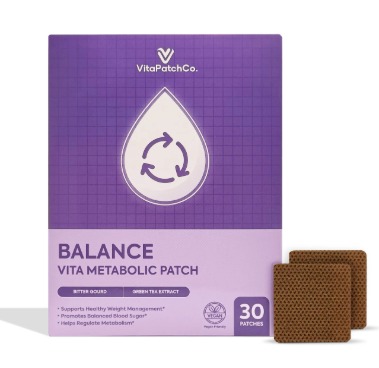
Metabolic and appetite-balance patches are a newer category, often marketed toward people interested in weight management support alongside diet and exercise, though these should always be paired with realistic expectations rather than treated as a shortcut.
Skin and collagen patches typically target the structural side of wellness, aiming to support skin elasticity as part of a broader beauty-from-within approach, often referencing ingredients tied to collagen production.
If you want to see how a full range of these formulas is laid out side by side, VitaPatchCo has a collection that breaks things down by category, which is a decent way to compare options before committing to one.
Why People Are Actually Switching From Pills
Let’s be honest about the real reasons this trend has taken off. It’s rarely about some dramatic health transformation — it’s about consistency. People who couldn’t stick to a seven-pill morning stack find it much easier to maintain a one-patch habit.
There’s also the digestive angle: capsules can sit heavy on an empty stomach, and some people genuinely can’t tolerate certain vitamin forms taken orally. A patch sidesteps that entirely. And then there’s the practical stuff — no pills to spill in your bag, nothing to forget at home, nothing that requires food or water to “activate.” It’s a lower-effort habit, and lower-effort habits are simply the ones that survive busy weeks.
How to Use a Wellness Patch the Right Way
This part matters more than people expect. Apply the patch to clean, dry skin — somewhere without lotion, oil, or excess hair, since that affects how well it adheres and absorbs. Most formulas are designed for a single patch at a time; doubling up doesn’t speed things along, it just wastes product.
Rotate placement spots to avoid skin irritation, and avoid applying to broken, irritated, or freshly shaved skin. Give it time to actually integrate into your routine — most people notice a difference somewhere between week two and week four, not on day one, since gradual nutrient loading works differently than an instant capsule hit.
What to Look for Before You Buy
Not every patch on the market is created with the same rigor, so a little scrutiny goes a long way. Check for a clear, specific ingredient list rather than vague “proprietary blend” language. Look for products that are transparent about being free of common allergens like soy, gluten, and dairy if that matters to you.
And pay attention to any product that promises dramatic overnight results — legitimate transdermal supplements support gradual improvement, not miracles. It’s also worth remembering that supplement patches, like any supplement, aren’t regulated the same way medications are, so they’re meant to complement a healthy lifestyle, not replace medical care.
Frequently Asked Questions
Do wellness patches actually work, or is this just a placebo effect?
The transdermal delivery mechanism itself is well documented in medical literature, though the effectiveness of any specific patch depends on its formulation, ingredient concentrations, and your own skin absorption. It’s a legitimate delivery method, not a gimmick, even if results vary person to person.
How long does one patch last?
Most are designed for eight to twenty-four hours of gradual release, though this varies by brand and formula.
Can I wear more than one patch at a time?
Generally, no. Manufacturers typically recommend one patch at a time to avoid overloading your system with concentrated ingredients.
Are these safe for daily long-term use?
Most are formulated for daily use, but anyone with allergies, pregnancy considerations, or existing medical conditions should check with a doctor first, the same way they would before starting any supplement.
Will I feel anything right away?
Some people notice subtle effects within hours, especially with stimulating or calming formulas, but nutritional benefits from things like B-vitamins or multivitamin blends usually build gradually over a few weeks.
Final Thoughts
Wellness routines fail most often not because people lack discipline, but because the routine itself is too much friction for daily life. A patch strips that friction down to almost nothing — peel, stick, forget about it, repeat tomorrow.
That simplicity is exactly why this category has grown from a niche curiosity into a genuine alternative for people who’ve tried pills, gummies, and powders and just couldn’t make any of them stick. It won’t replace a solid diet or an active lifestyle, and it shouldn’t be marketed that way, but as one piece of a bigger picture, it’s a remarkably low-effort way to stay consistent with something that actually matters.