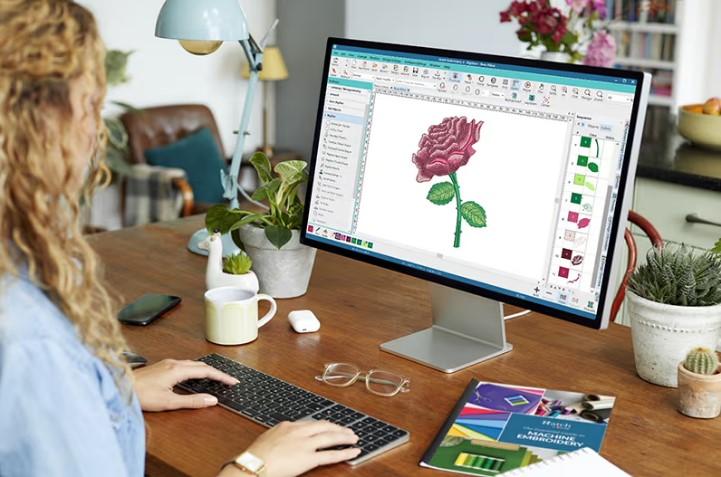
Introduction
Let’s be real. When you have a deadline breathing down your neck and a client asking for embroidered samples yesterday, the last thing you need is to wait around for days just to get your design digitized. I have been there, staring at the clock, refreshing my email, hoping that the digitizing service would pull through. It is stressful, and it can throw your whole production schedule off balance.
That is why finding a service that is both fast and reliable is not just a nice-to-have; it is a necessity. But here is the tricky part—speed should never come at the cost of quality. We have all seen those rushed digitizing jobs where the stitches are too dense, the edges are jagged, or the design just does not sit right on the fabric. It is a nightmare to fix and costs you time and money. So, how do you get the best of both worlds? How do you get a quick turnaround without compromising on the quality that keeps your customers happy? This is where the real art of Embroidery Digitizing Services comes into play. It is not just about converting an image; it is about engineering a stitch file that works perfectly with your machine, your thread, and your fabric. In this article, we are going to chat about what makes a digitizing service fast and reliable, what to look for, and how you can get your projects back on track without breaking a sweat.
What Really Goes Into Fast and Reliable Embroidery Digitizing?
Let us break this down. When we say “embroidery digitizing,” we are not talking about magic or complex algorithms that happen in a black box. It is the process of taking your artwork—a logo, a monogram, an illustration—and translating it into a language that your embroidery machine can understand. That means deciding on stitch types, angles, densities, and underlay. It is a highly technical job that requires a sharp eye and a deep understanding of how thread behaves on different materials.
Now, a fast and reliable service does not just slap a generic stitch file on your design and call it a day. They analyze your art, consider the fabric type, and plan the stitching sequence to minimize thread breaks and trims. That is reliability. And speed? That comes from experience and efficient workflows. The best digitizers can look at a design and almost instinctively know the best approach. They use specialized software to their advantage, not as a crutch. So, when you see a service advertising a quick turnaround, it means they have the team and the expertise to handle your file promptly while still giving it the careful attention it deserves.
Why Quick Turnaround Matters More Than You Think
I get it. We are all in this business to make money, and time is money. But quick turnaround is about more than just satisfying an impatient client. It is about flexibility. When you have a last-minute order pop up, a quick digitizing service gives you the breathing room to say “yes” to the job. It allows you to take on rush orders without panicking. It also streamlines your production. If you are sitting there waiting for a file, your machine is idle, and your staff is standing around. That eats into your profit margins faster than you might realize.
Moreover, a fast service builds your reputation. When you can consistently deliver embroidered goods to your clients faster than expected, they remember you. They start to rely on you for their own tight deadlines. You become their go-to person, not just because you do good work, but because you do it when they need it. And that is a powerful place to be in any industry. So, while the file itself might just be a .pes or .dst, the value of getting it quickly is immense.
The Fear of Sacrificing Quality for Speed
Now, let us address the elephant in the room. When you hear “quick turnaround,” does your mind immediately go to sloppy work? I know mine does. It is a natural concern. But a truly reliable service has processes in place to guarantee that speed does not kill quality.
First, they have a team, not just one person. This means different jobs can be assigned to specialists. One digitizer might be great with complex 3D puff designs, while another excels at small, detailed lettering. The service can distribute the workload to get your file done fast without overworking a single individual.
Second, they have a robust quality control system. After the initial digitizing is done, the file is checked. And I do not mean a quick glance. I mean a thorough review on-screen, and often even a test stitch-out. They look for issues like pull compensation, which is how the fabric pulls under the stitches, and they make sure the design runs smoothly. A fast file that has been thoroughly checked is way more valuable than a file that was done in ten minutes and passed on without a second thought.
Key Features to Look For in a Digitizing Service
So, you are convinced that you need fast and reliable services. But how do you pick the right one? There are a ton of options out there, and wading through them can be confusing. So, let us simplify it.
Transparency and Communication
A good service is transparent about their pricing and turnaround times. There should be no hidden fees or surprise costs. They should also communicate clearly about any issues they spot with your art. If your design is too small for the detail you want, they should tell you upfront and suggest ways to make it work. Communication is the backbone of a reliable partnership.
Free Edits and Redos
Things happen. Maybe the client changes their mind, or you decide you want a different density on a specific section. A reliable service offers free edits within a reasonable timeframe. They understand that the first version might not be perfect for your specific machine or fabric, and they are willing to make adjustments at no extra charge. This takes a ton of pressure off you.
File Format Versatility
Your machine uses a specific file type—be it .pes, .dst, .exp, or .jef. A fast and reliable service will provide your file in the exact format you need without you having to ask twice. Some of the best services even let you pick multiple formats in case you need them for different machines later on.
Test Stitch Guarantee
This is a big one. If they are confident in their work, they will offer a guarantee. If the file does not stitch out well, they should redo it or refund your money. That level of confidence speaks volumes about their reliability.
The Process: From Art to Perfect Stitches
Let me walk you through what happens when you send your artwork to a great digitizing service. It is good to understand the work that goes into that neat little file you receive.
First, they look at your artwork. They check the resolution, the colors, and the complexity. If something is off, they will reach out to you. Then, the digitizer opens their software and starts creating the design from scratch. They do not just trace the image. They set the underlay stitches. These are the foundation stitches that stabilize the fabric and keep the top stitches from sinking. Without good underlay, your design will look messy.
Next, they choose the stitch types. Is it a satin stitch for borders and lettering? A fill stitch for large areas? Or a complex combination? Each choice affects how the design looks and feels. Then they set the density. Too many stitches, and the fabric puckers. Too few, and you see the fabric underneath. They factor in the pull and push of the fabric. This is the “compensation” part of the job. It is an intricate dance, and a skilled digitizer knows all the steps by heart. They run a simulation in the software, check for any issues, and send it to quality control.
How to Get the Most Out of Your Fast Turnaround
You can help your digitizing service help you. By providing good artwork and clear instructions, you are setting them up for success. Send vector files if you have them, or high-resolution PNGs or JPEGs. The cleaner the art, the faster they can digitize it.
Also, be clear about the final use. Tell them what the design will be embroidered on—is it a polo shirt, a thick jacket, or a delicate cap? This information is vital for the digitizer to make the right decisions on the fly. The more context you provide, the less back-and-forth there will be, which means a faster final delivery for you.
Conclusion
At the end of the day, the embroidery business is a people business. You want to deliver top-quality products to your customers, and to do that, you need a digitizing partner who values your time and your reputation. Fast and reliable embroidery digitizing services with quick turnaround are out there, and they are game-changers. They provide the peace of mind that comes from knowing your files will be ready when you need them, and they will work perfectly straight out of the gate.
Remember, speed and quality do not have to be enemies. With the right digitizers, they are best friends. They work together to help your business grow, satisfy your clients, and keep your machines humming. So next time you have a project looming, find a service that gets it. One that is as invested in the final product as you are. It is the best investment you can make for your embroidery workflow, and it will definitely save you from a few gray hairs along the way.