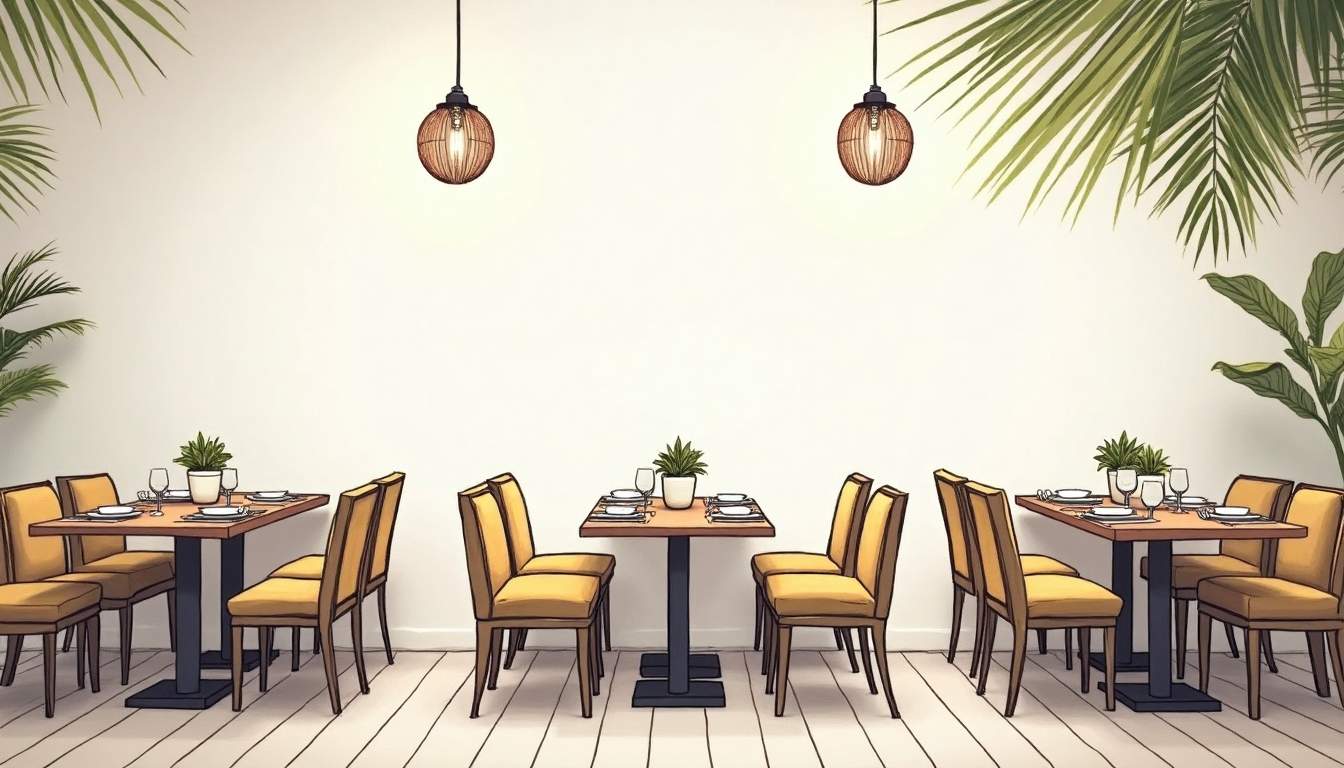
Choosing the right furniture for your restaurant is more than just picking tables and chairs that fit the space. It’s about creating an atmosphere that complements your culinary vision and enhances the overall dining experience. The furniture you select plays a crucial role in defining your restaurant’s personality and can influence everything from customer comfort to operational efficiency.
Whether you’re opening a cozy café, a sleek modern bistro, or a rustic farmhouse-style eatery, aligning your furniture choices with your restaurant’s theme is essential. This guide will walk you through the key considerations and practical tips to help you select the perfect furniture that not only looks great but also supports your business goals.
Understanding Your Restaurant’s Theme and Concept
Before diving into furniture options, it’s important to have a clear understanding of your restaurant’s theme and concept. The theme is the foundation upon which your entire design rests, influencing everything from color schemes to lighting and, of course, furniture.
Is your restaurant casual or fine dining? Is it inspired by a particular culture, era, or style? Are you aiming for a minimalist, industrial look or a warm, vintage vibe? Answering these questions helps narrow down the types of furniture that will complement your vision. For instance, a restaurant that draws inspiration from the rustic charm of a French bistro might incorporate vintage wooden tables and wrought iron accents, creating an inviting atmosphere that transports diners to a quaint café in Paris.
Defining Your Target Audience
Knowing who your customers are is just as important as the theme itself. Families with children may require durable, easy-to-clean furniture with comfortable seating, while a trendy urban crowd might appreciate sleek, modern pieces with a bit of edge. Understanding your clientele’s preferences and expectations will guide your furniture choices and ensure your space feels welcoming and appropriate. Additionally, considering the age demographic of your target audience can influence not just style but also the layout of your seating. For example, a restaurant catering to young professionals might benefit from communal tables that encourage social interaction, while a family-oriented establishment might prioritize booth seating for privacy and comfort. To explore furniture options that match your audience’s needs, visit RHQ Store website for stylish and practical solutions.
Matching Furniture Style to Your Theme
Once the theme is clear, start exploring furniture styles that align with it. For example, a coastal-themed restaurant might feature light wood tables, rattan chairs, and soft, breezy fabrics. An industrial-style eatery could incorporate metal chairs, reclaimed wood tables, and exposed hardware. The key is consistency your furniture should feel like a natural extension of your restaurant’s story. Furthermore, consider how the furniture interacts with other design elements like wall art, flooring, and lighting. A cohesive design will not only enhance the dining experience but also create memorable moments for your guests. For instance, incorporating nautical elements like driftwood centerpieces in a seaside restaurant can seamlessly tie together the theme while providing a unique touch that diners will appreciate.
Balancing Aesthetics and Functionality
While aesthetics are vital, furniture in a restaurant must also be highly functional. It needs to withstand daily use, accommodate different group sizes, and fit the layout efficiently. Striking the right balance between beauty and practicality is essential for a successful dining environment. A well-designed restaurant not only attracts customers with its visual appeal but also enhances their overall dining experience through thoughtful furniture choices. The interplay of colors, textures, and styles can create a unique atmosphere that reflects the restaurant’s theme while ensuring that the furniture serves its purpose effectively.
Comfort is King
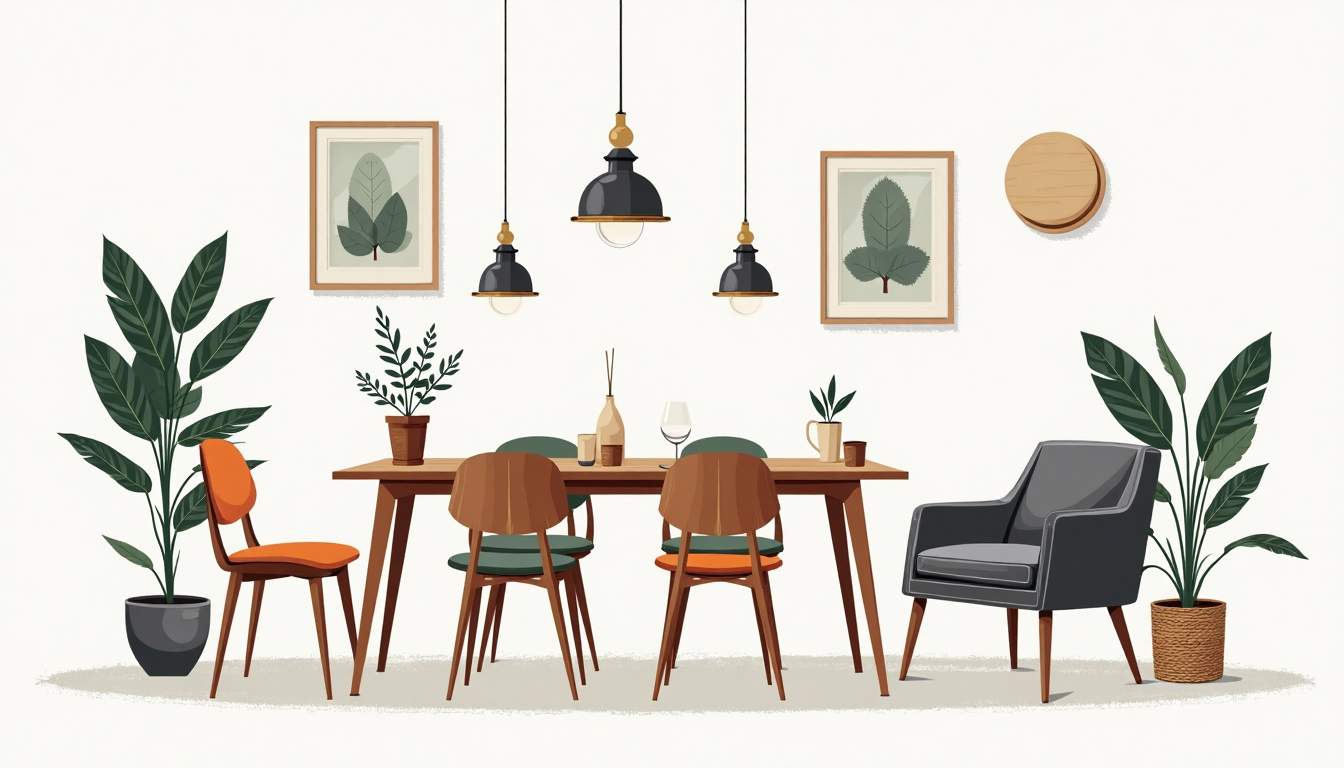
Comfortable seating encourages guests to linger longer and return in the future. Consider ergonomics when selecting chairs and booths. Cushioned seats, supportive backs, and appropriate seat heights can make a significant difference. Test samples if possible, and think about the average dining duration for your type of restaurant to determine the level of comfort needed. Additionally, consider the arrangement of seating; a mix of booth seating, traditional tables, and communal options can cater to various preferences and enhance the overall comfort level. Creating intimate nooks or spacious areas can also help in accommodating couples, families, or larger groups, ensuring that every guest feels at home.
Durability and Maintenance
Restaurant furniture undergoes heavy use and frequent cleaning, so durability is a must. Materials like solid wood, metal, and high-quality upholstery tend to last longer. Avoid delicate fabrics that stain easily or materials that are difficult to maintain. Additionally, choose finishes that can withstand spills, heat, and scratches without losing their appeal. Investing in furniture with warranties can also provide peace of mind, as it ensures that replacements or repairs are manageable should wear and tear occur. Regular maintenance routines, such as cleaning and inspections, can prolong the life of the furniture, allowing the restaurant to maintain its aesthetic appeal without incurring frequent replacement costs.
Space Planning and Layout Considerations
Furniture size and shape affect how many guests you can accommodate and how easily staff can move around. Opt for tables and chairs that fit your floor plan without overcrowding. Modular furniture or pieces that can be rearranged offer flexibility for different group sizes and events. Remember to leave enough space between tables for privacy and accessibility. Furthermore, consider the flow of movement within the restaurant; a well-planned layout can facilitate efficient service while minimizing congestion. Incorporating pathways for both guests and staff can enhance the dining experience, ensuring that everyone can navigate the space comfortably. Thoughtful placement of furniture can also create visual interest, guiding guests through the restaurant and encouraging them to explore different areas, such as a bar or outdoor patio. This strategic design can lead to increased customer satisfaction and repeat visits.
Choosing Materials and Colors That Enhance Your Theme
The materials and colors of your furniture contribute significantly to the ambiance and mood of your restaurant. Thoughtful selection here can reinforce your theme and create a cohesive look.
Wood, Metal, and Upholstery Choices
Wood is versatile and can evoke warmth, rustic charm, or elegance depending on the finish. Light woods like oak or pine suit casual and coastal themes, while darker woods such as walnut or mahogany are fitting for upscale or traditional settings. Metal furniture, especially with matte or brushed finishes, complements industrial and modern designs.
When it comes to upholstery, fabrics like leather, faux leather, or durable woven textiles can add texture and comfort. Consider stain-resistant and easy-to-clean options, especially for high-traffic areas.
Color Palettes that Set the Mood
Colors influence emotions and perceptions. Earthy tones like browns, greens, and muted oranges create a cozy, inviting atmosphere, ideal for rustic or farm-to-table restaurants. Bright, bold colors can energize a youthful, casual space, while monochromatic or neutral palettes lend sophistication and calmness to fine dining establishments.
Coordinate furniture colors with wall treatments, flooring, and décor elements to achieve harmony. Don’t be afraid to mix and match complementary hues to add visual interest without overwhelming the senses.
Incorporating Unique and Statement Pieces
Adding distinctive furniture pieces can give your restaurant character and make it memorable. These might be vintage chairs, handcrafted tables, or custom-designed booths that reflect your brand’s personality.
Custom vs. Ready-Made Furniture
Custom furniture allows you to tailor pieces to your exact specifications, ensuring a perfect fit for your space and theme. It can also become a talking point for guests. However, custom options tend to be more expensive and require longer lead times.
Ready-made furniture offers convenience and cost savings. Many manufacturers provide a wide range of styles and finishes that can suit various themes. Consider mixing custom and ready-made pieces to balance uniqueness with budget.
Mixing Styles for a Layered Look
While consistency is important, layering different furniture styles can add depth and intrigue. For example, pairing sleek metal chairs with rustic wooden tables can create an appealing contrast in an industrial-chic space. Just be sure to maintain some common thread—like color or material—to keep the overall design cohesive.
Practical Tips for Purchasing and Maintaining Restaurant Furniture
Once you’ve settled on styles, materials, and layouts, it’s time to make your purchases and plan for upkeep. Smart buying and maintenance strategies will protect your investment and keep your restaurant looking fresh for years.
Ordering Samples and Testing
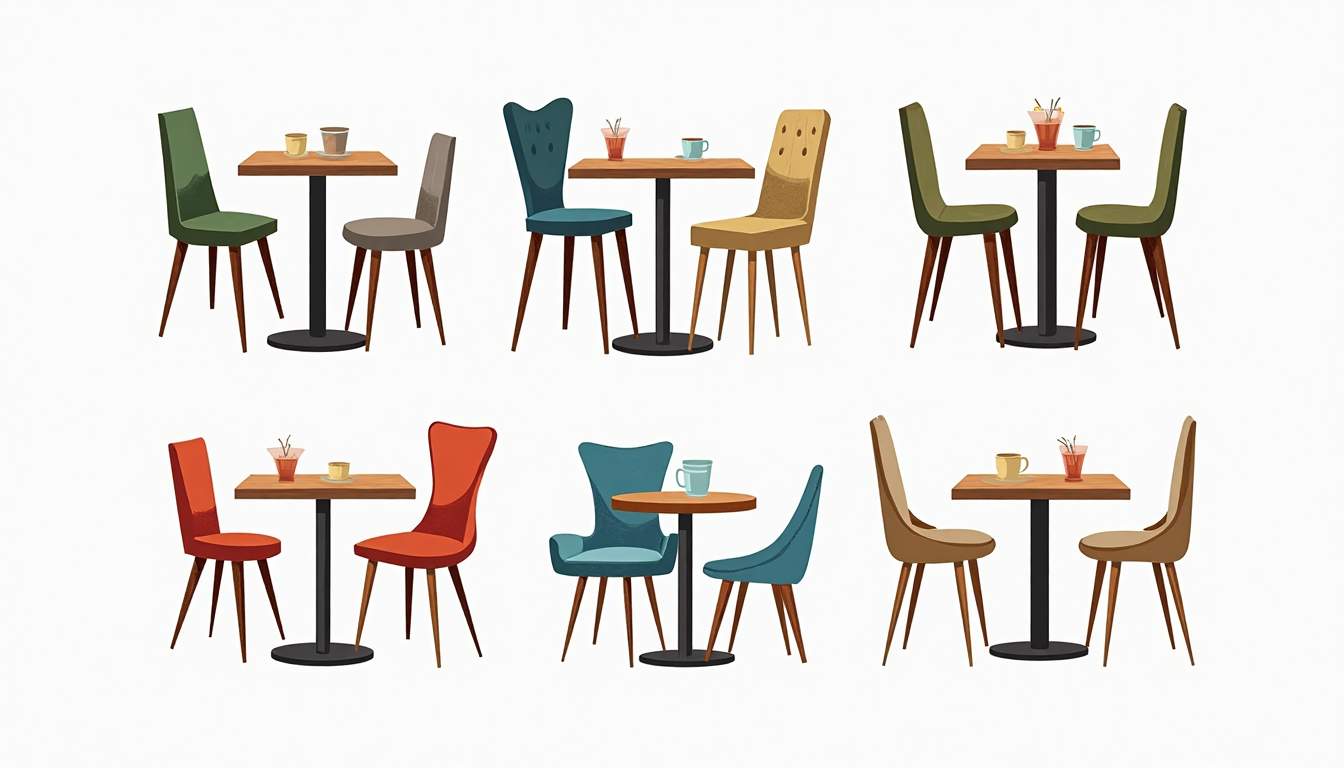
Whenever possible, order samples or visit showrooms to test furniture firsthand. Sit in chairs, check table heights, and assess the quality of materials. This hands-on approach helps avoid surprises and ensures the pieces meet your expectations.
Budgeting Wisely
Furniture is a significant investment, but it’s important not to compromise quality for cost. Allocate your budget to prioritize durability and comfort, which directly impact guest satisfaction. Consider phased purchases if needed, starting with essential pieces and adding accents over time.
Regular Cleaning and Repairs
Establish a routine cleaning schedule to keep furniture looking its best. Use appropriate cleaners for different materials and address spills immediately. Regularly inspect for loose screws, worn upholstery, or damaged finishes and repair them promptly to extend the life of your furniture.
Planning for Seasonal or Thematic Changes
If your restaurant hosts seasonal events or changes themes periodically, consider versatile furniture that can adapt. Slipcovers, cushions, and accessories can update the look without replacing entire pieces. This flexibility keeps your space dynamic and engaging for repeat customers.
Conclusion
Choosing the right furniture for your restaurant’s theme is a thoughtful process that combines design, functionality, and customer experience. By understanding your concept, balancing aesthetics with practicality, selecting appropriate materials and colors, and investing in quality pieces, you create an environment that enhances your culinary offerings and delights your guests.