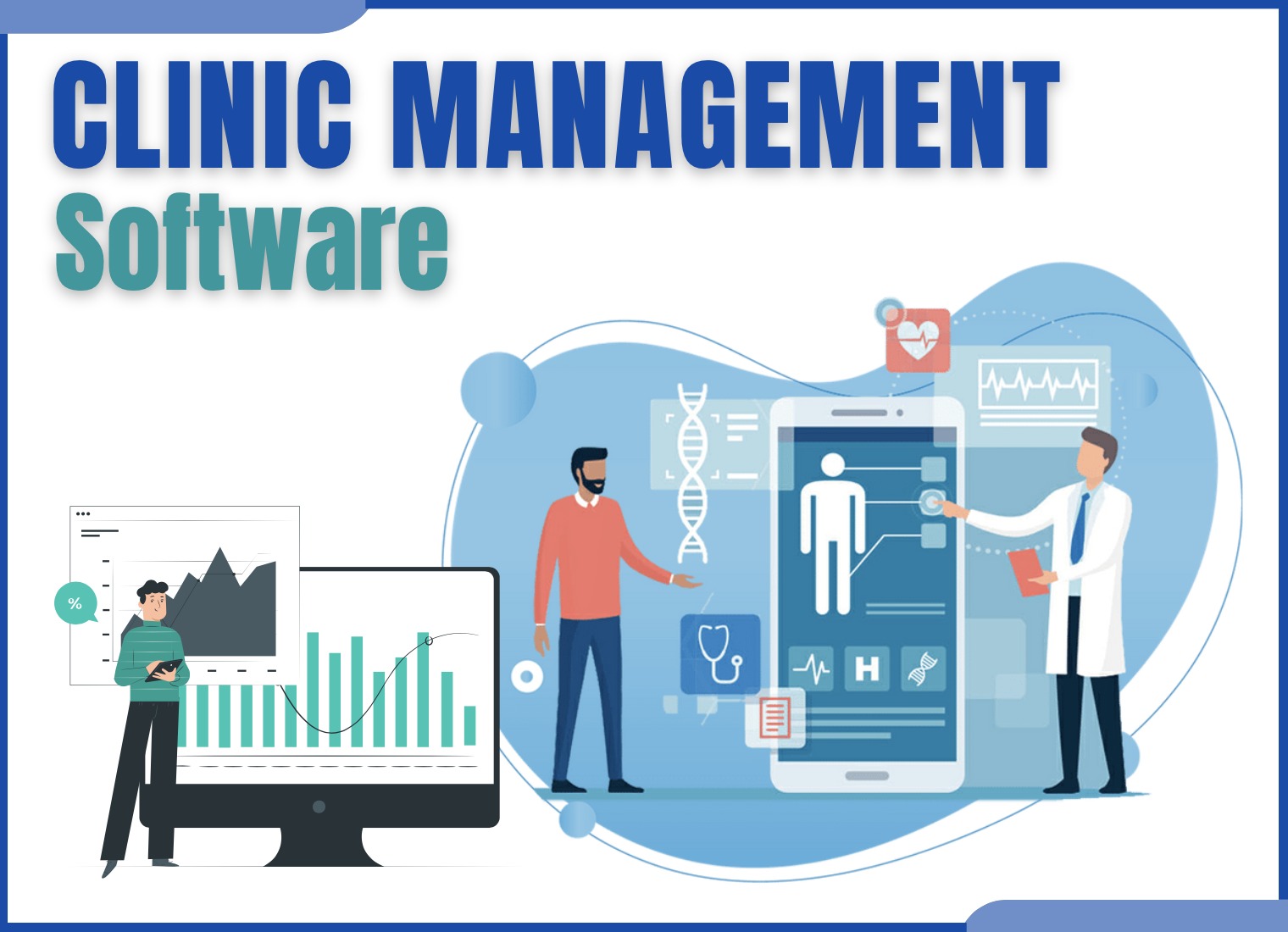
Patienterp hospital management software streamlines inpatient services and maximizes resource utilization. It also ensures compliance with healthcare standards and regulations. This system uses a digital database to track patient records and doctor schedules. It also allows physicians to quickly and accurately access medical history and test results.
It promotes telemedicine and helps patients schedule video consultations. This is important because it eliminates the need to travel and saves time for both patients and specialists.
Hospital Management System
If you’re planning to launch a hospital management software, you must pay special attention to data security. Your system must be secure to ensure that your clients’ personal information is safe and that the software adheres to regulations. It should also provide users with a safe environment to access their medical records and manage appointments.
A high-quality hospital management system helps you streamline complex operational processes. It also provides real-time visibility into performance metrics and supports continuous improvement initiatives. Moreover, it enhances patient satisfaction by providing easy access to records, prescriptions, and bills. In addition to this, it also enables hospitals to track inventory and automate back-office administration.
Hospitals can either purchase off-the-shelf hospital management systems or build their own. Each option has its own benefits and drawbacks. The former is faster to deploy, but it might not match your facility’s unique workflows. The latter offers the flexibility to evolve and improve the system as it grows, but the development process is usually longer. Both options require rigorous planning to ensure a successful launch.
Hospital ERP Software
Hospital ERP software unifies core financials, operations, and reporting in one flexible platform. These systems facilitate streamlined operational efficiency and data-driven decision-making. They also support alternative payment models, enabling healthcare organizations to accurately track and allocate costs associated with specific services.
Hospitals typically process a massive amount of paperwork, which can cause delays and misreporting. Using a hospital ERP system, medical staff can easily transfer data between departments, reducing the risk of manual errors and lowering operational costs.
ERP systems also offer a variety of features that streamline hospital staffing, scheduling, and performance evaluations. These systems can help managers make informed decisions about hiring and compensation. They can also monitor the performance of various departments and teams, helping them improve overall service standards. Moreover, they can ensure that the staff is well-equipped to handle their work. This includes ensuring that they have access to the best training and tools, as well as offering incentives for high-performing employees. This can also reduce the number of hours that staff spend on repetitive tasks, which leads to a greater focus on patient care.
Hospital Information System
Hospital Information Systems are digital solutions that help manage the administrative and medical aspects of healthcare facilities. They streamline processes, automate tasks, and improve communication between departments. They also reduce medical errors, manage medical inventory, and handle billing seamlessly.
Hospitals can now provide better care to patients by facilitating quick access to patient data. Traditionally, paper records were stored in different locations and only one facility could retrieve them, but electronic health systems have improved the flow of information between hospitals. This has allowed medical professionals to provide timely and effective treatment, which in turn improves outcomes.
Managing sensitive healthcare information requires a robust security infrastructure, which includes multi-factor authentication, access controls, and data encryption. This is essential to maintain compliance with HIPAA, and avoid legal penalties and financial losses. These tools should be regularly updated to ensure they are working efficiently and protecting against emerging threats. They should also include training programs to make sure staff is proficient in using them. This ensures the smooth functioning of the system and protects patient confidentiality.
Hospital Management Software India
Hospitals seek accurate patient care, operational control, regulatory compliance plus financial stability. Manual processes create data duplication, billing errors, stock mismanagement plus uncoordinated workflows. Integrated Hospital Management Software reduces complexity, improves visibility plus supports sustainable growth.
Centralized systems digitize every process, from appointment booking to billing and lab reports. This aligns with India’s digital health goals and Ayushman Bharat/ABDM national healthcare framework. Staff experience faster workflows with reduced errors.
Integrated HMIS systems include multi-specialty patient registration, EMR/EHR, billing, pharmacy, diagnostics, and inventory. They also link multiple medical imaging devices, like X-Ray, CT scan, ultrasound, and MRI into the hospital’s information system. This enables doctors to easily access and review patients’ visual results.
Clinic Management Software
The clinic management software allows clinics to manage a range of administrative tasks through a single, interoperable system. This reduces manual effort, minimizes errors through automation and alerts, and enables doctors to focus on clinical decisions and patient outcomes instead of paperwork.
A flexible and customizable user interface makes the software easy to use for staff of all levels. Advanced reporting and analytics provide insight into financial performance, operational efficiency, and regulatory compliance. A robust security policy with role-based access and adherence to HIPAA, GDPR, and other healthcare compliance standards protect sensitive data.
Integrated billing, e-prescriptions, and lab integrations streamline the workflow of healthcare providers and improve productivity. Intake forms can be created and accessed from mobile devices, so staff can capture patient information anywhere. The software also provides tools to import CSV files and merge duplicate records to keep the database clean and accurate. Enhanced customer support helps to address any issues quickly and efficiently. This ensures that the software continues to work optimally and improves productivity. It is a great option for smaller clinics, solo practitioners, and healthcare professionals on the go.