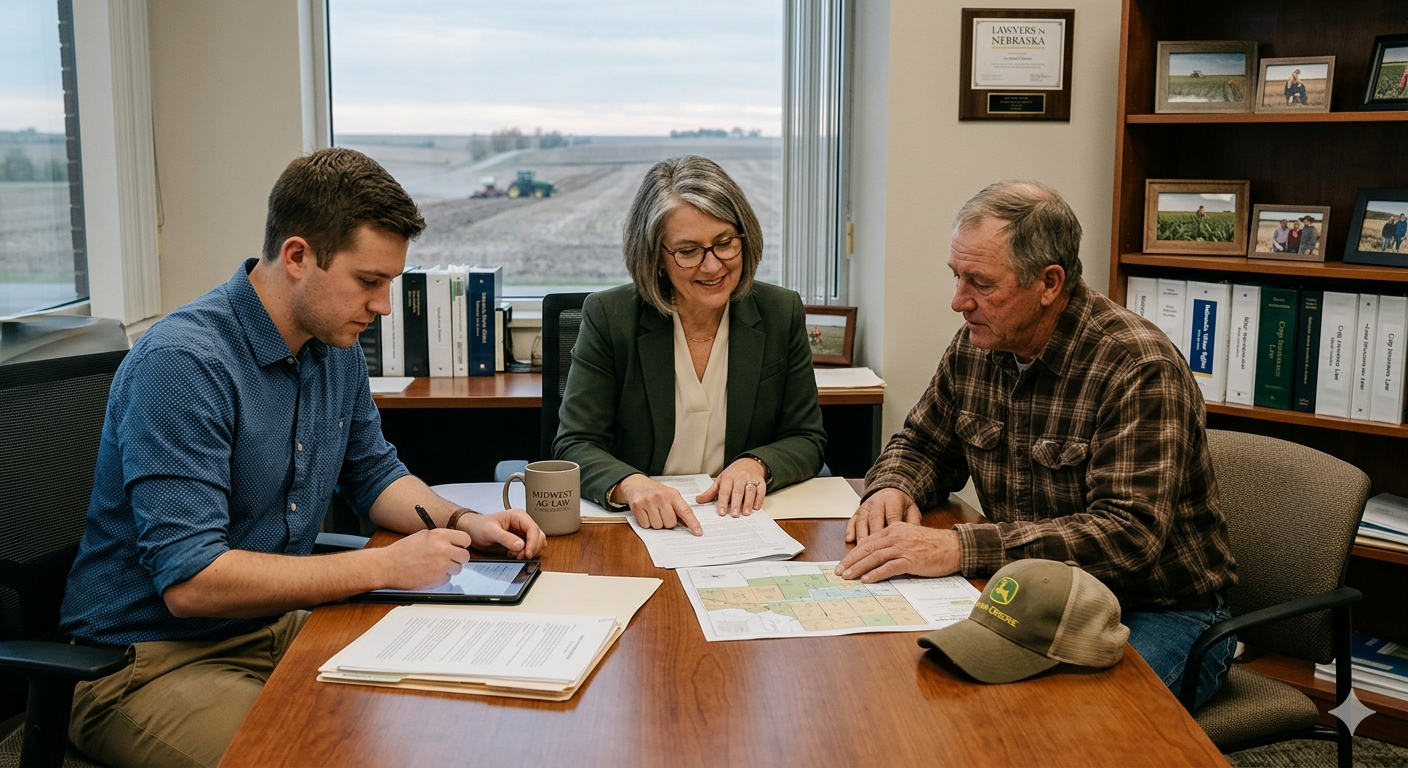
The modern American farm is no longer just an operation of tractors, soil, and seed. Today, it is a sophisticated, highly regulated corporate entity operating at the intersection of global supply chains, cutting-edge technology, and complex environmental policy. In a landscape where a single regulatory shift or contract dispute can jeopardize generations of hard work, safeguarding your operation requires more than just traditional business intuition.
For producers operating across the heartland, managing these legal complexities is becoming a core part of daily operations. Ensuring your business remains resilient requires a proactive legal strategy tailored specifically to the unique demands of the agricultural sector.
The Shifting Landscape of Agricultural Law
Agriculture has always been subject to the whims of weather and markets. However, the legal and regulatory burdens facing producers today are unprecedented. From fluctuating federal farm bill provisions to shifting local zoning ordinances, compliance is a moving target.
Producers are forced to balance operational demands with an intricate web of legal obligations. Navigating these challenges without specialized counsel is akin to farming without looking at the weather forecast highly risky and entirely unpredictable.
Evolving Environmental and Water Regulations
Water is the lifeblood of the plains, but managing it has become a legal minefield. Growers must constantly adapt to changing guidelines regarding runoff, chemical applications, and groundwater usage rights.
- Groundwater Management: Striking the right balance between local Natural Resources Districts (NRDs) rules and state allocations.
- Chemical Compliance: Navigating strict federal oversight regarding pesticide applications and drift liability.
- Clean Water Act Mandates: Understanding how shifting definitions of protected waters impact land use and development.
Technology and Intellectual Property in the Field
The rise of precision agriculture has introduced a brand-new category of legal hurdles. When you purchase modern equipment or specialized seed varieties, you are entering into complex data-sharing and intellectual property agreements.
Who owns the yield data generated by your combine? What happens if proprietary seed traits accidentally cross-pollinate into a conventional field? These are not hypothetical questions; they are active legal battles shaping the industry. Specialized counsel can help review technology contracts to ensure your operational data remains private and protected.
Why Specialized Legal Representation Matters
Many operations rely on a general practice attorney for their legal needs. While a local generalist is excellent for basic contracts or simple traffic violations, they often lack the hyper-specific knowledge required to handle complex agricultural disputes.
The agricultural industry operates under a distinct set of federal statutes, tax codes, and structural nuances. Working with dedicated agribusiness lawyers ensures that your legal counsel understands the difference between a multi-peril crop insurance claim and standard commercial property coverage. They understand production cycles, asset valuation in volatile markets, and the specific pressures facing modern producers.
Structuring the Operation for Long-Term Resilience
Choosing the right business structure is foundational to protecting personal assets from operational liabilities. Whether you are expanding your footprint or bringing the next generation into the business, your corporate structure needs to be flexible yet protective.
- Liability Shielding: Isolating operational risks (like custom spraying or trucking operations) into separate legal entities.
- Tax Optimization: Utilizing specialized entity structures to maximize federal farm program payment limitations and optimize self-employment tax exposure.
- Financing and Credit: Drafting clean operating agreements that satisfy commercial lenders and secure vital lines of credit.
Securing Land and Lease Agreements
Land is an agricultural operation’s most valuable asset and its greatest expense. As institutional investors buy up acreage and multi-generational farms expand, lease dynamics are shifting.
Verbal “handshake” agreements, while traditional, offer zero protection in a modern legal dispute. Whether you are dealing with cash rent leases, crop-share arrangements, or flexible rent models, every detail must be meticulously documented. An experienced attorney ensures that land tenant rights, conservation requirements, and termination clauses are clearly defined to prevent costly litigation down the road.
Succession Planning: Protecting the Family Legacy
Perhaps the most emotional and complex challenge facing the agricultural sector is farm succession. Statistics consistently show that a vast majority of family farms fail to survive the transition to the third generation, often due to a lack of structured planning rather than economic failure.
Passionate disagreements over asset distribution can tear families apart and force the liquidation of land that took decades to accumulate. True succession planning goes far beyond a simple will.
Balancing Farming and Non-Farming Heirs
One of the biggest hurdles is fairness versus equality. If one child stays behind to manage the daily operations while two others move to the city, splitting the land equally three ways can easily cripple the farm. The operating child may be left asset-rich but cash-poor, unable to buy out their siblings or maintain operational scale.
Experienced firms, such as Midwest Ag Law, specialize in creating balanced transition frameworks. By utilizing tools like land trusts, limited liability companies (LLCs), and buy-sell agreements, you can ensure the farming heir retains operational control while non-farming heirs receive equitable compensation through alternative assets or insurance policies.
Mitigating Estate Taxes and Transition Friction
A successful transition plan minimizes the bite of federal estate taxes and avoids the lengthy, public, and expensive probate process.
- Gifting Strategies: Utilizing annual exclusion gifts to gradually transfer ownership stakes in the operating entity over time.
- Life Estates and Trusts: Retaining income streams for the retiring generation while shifting future appreciation out of their taxable estate.
- Operational Continuity: Establishing clear management roles well before the transition occurs to ensure lenders, suppliers, and buyers experience zero disruption.
Proactive Risk Management for the Modern Producer
The most cost-effective legal strategy is prevention. Waiting until you are served with a lawsuit or an environmental citation means you are already playing defense. Establishing a relationship with knowledgeable lawyers in nebraska allows you to build a proactive risk management framework that protects your business from the ground up.
Reviewing employee handbooks, analyzing vendor contracts, auditing regulatory compliance, and formalizing family agreements may feel tedious in the short term, but these steps build an unyielding legal fortress around your livelihood. Treat legal counsel as a necessary operational input, just like fertilizer or diesel—essential for yielding a successful harvest.
Conclusion
The intersection of agriculture and law is more volatile than ever before. As environmental regulations tighten, technology transforms production, and the generational handoff accelerates, producers cannot afford to leave their legal vulnerabilities to chance. By partnering with legal professionals who live and breathe the agricultural industry, you can secure your assets, streamline your compliance, and ensure your family legacy thrives for decades to come.
Key Takeaway
Modern agriculture requires modern legal protections. Relying on handshake agreements or general legal counsel leaves an operation vulnerable to regulatory penalties, catastrophic transition disputes, and asset loss. Proactive planning with specialized agribusiness attorneys is the ultimate tool for securing your operational continuity and protecting your land.
Frequently Asked Questions
Q1: Why can’t I just use a standard standard business LLC template for my farm?
Standard templates do not account for unique agricultural realities, such as USDA farm program payment limitations, specific estate tax exclusions for closely held businesses, or specialized liability concerns like chemical drift.
Q2: What is the risk of keeping a verbal land lease agreement?
Verbal leases leave you entirely unprotected if the landowner passes away, sells the property, or disputes the terms. Written leases are legally required in many states to enforce long-term rights and clarify termination notice deadlines.
Q3: How early should we begin the farm succession planning process?
Ideally, transition planning should begin 5 to 10 years before the older generation intends to step back. This provides ample time to transfer management responsibilities, utilize tax-gifting strategies, and secure financing.
Q4: Who owns the crop data generated by precision farming equipment?
Ownership depends entirely on the End User License Agreement (EULA) signed with the equipment manufacturer or software provider. Without a careful legal review, you may inadvertently grant third parties the right to use or sell your operational data.
Q5: How do Natural Resources Districts (NRDs) affect my property rights?
In Nebraska, NRDs have the legal authority to regulate groundwater usage, establish allocation limits, and restrict the drilling of new wells to protect local watersheds, directly impacting your land’s productivity and value.